
Introduction
Food safety is not just a technical requirement—it is a moral, social, and economic responsibility that affects every household, community, and nation. In today’s fast-moving world, where supply chains are increasingly global and food products travel across continents before reaching our tables, ensuring Premier Food Safety practices has never been more important. The World Health Organization estimates that 600 million people fall ill each year due to contaminated food, with children under five particularly vulnerable.
Premier Food Safety embodies the vision of protecting families and preventing risks today by ensuring that the food we eat is not only nourishing but also safe from contamination, hazards, and avoidable risks. With Premier Food Safety standards applied across farms, factories, restaurants, and homes, families gain greater confidence in the meals they share. Premier Food Safety contributes to the prevention of diseases, the protection of children, and the development of stronger communities by educating the public, educating employees, and bringing industries into compliance with international standards.
This article explores in detail the importance of Superior Food Safety, the role of stakeholders (families, industries, governments), and the practical measures that individuals and organizations can adopt to safeguard communities. Ultimately, Premier Food Safety is more than compliance—it is a promise of protection for every family today and for generations to come.
1: The Foundations of Food Safety
Why Food Safety Matters
Premier Food Safety is more than a policy—it is a necessity that directly impacts public health, economic stability, and consumer confidence. Without Premier Food Safety measures in place, unsafe food can cause outbreaks of illnesses such as salmonella, listeria, and E. coli infections. These diseases lead to hospitalization, long-term health complications, or even death. By contrast, consistent Superior Food Safety practices build trust between producers and consumers, creating a stronger and safer food chain.
The Four Pillars of Food Safety
To protect families, Premier Food Safety highlights four essential pillars that must guide every stage of the food system:
- Prevention of Contamination – avoiding microbial, chemical, and physical hazards through vigilant Superior Food Safety practices.
- Proper Handling and Storage – maintaining appropriate temperatures and hygienic conditions, reinforced by Premier Food Safety training.
- Education and Training – equipping food handlers and consumers with essential knowledge, a cornerstone of Superior Food Safety programs.
- Regulation and enforcement are strengthened by Premier Food Safety’s accreditation and audits, which guarantee compliance with both domestic and foreign laws.
When each of these pillars is applied, Premier Food Safety becomes not just a framework but a living system of protection. By embracing Superior Food Safety, communities reduce contamination risks, safeguard public health, and create a foundation of trust between governments, industries, and families.
2: Risks Families Face in Everyday Food Consumption
Families are the ultimate consumers, and Superior Food Safety ensures their protection at every stage of the food chain. Whether shopping for groceries, eating at restaurants, or preparing meals at home, families are exposed to multiple risks that Premier Food Safety programs are designed to prevent.
Categories of Food Safety Risks
| Type of Risk | Examples | How Premier Food Safety Reduces Risk |
| Biological Risks | Bacteria (Salmonella, E. coli, Campylobacter), viruses (Norovirus, Hepatitis A), parasites | Superior Food Safety emphasizes strict hygiene, safe cooking temperatures, and monitoring to prevent contamination. |
| Chemical Risks | Pesticide residues, food additives, allergens, cleaning agents | Premier Food Safety standards regulate chemical use, enforce labeling, and provide allergen awareness training. |
| Physical Risks | Foreign objects like glass, plastic, or metal shards | The likelihood of hazardous materials getting into food is decreased by Premier Food Safety audits, inspections, and staff training. |
Biological Risks
Premier Food Safety highlights protection against bacteria and viruses as a top priority. Without strong Superior Food Safety practices, these risks can quickly turn a family meal into a health crisis.
Chemical Risks
From pesticide residues to allergens, Premier Food Safety protocols reduce exposure to harmful chemicals. Families are safer when these standards are enforced during farming, processing, and packaging.
Physical Risks
Foreign objects can cause injury or illness. Premier Food Safety training and inspections ensure that these risks are minimized.
Case Example: The Peanut Butter Recall
In 2009, more than 46 U.S. states were impacted by a widespread peanut butter recall brought on by Salmonella infection. Families, especially children and the elderly, were the most affected. This event underscored how quickly contaminated food can spread when Premier Food Safety systems are absent—reinforcing the need for vigilance across every link of the food chain.
3: The Role of Premier Food Safety Programs
Training Food Handlers
Comprehensive training programs for hospital kitchens, school cafeteria employees, restaurant employees, and even home cooks are emphasized by Superior Food Safety. The goal of Premier Food Safety training is to minimize risks that families face every day, turning prevention into a habit rather than an afterthought. By teaching safe practices in clear and practical ways, Superior Food Safety ensures that food handlers are empowered to protect both themselves and the public.
The following are important topics addressed in Premier Food Safety training:
- Hand hygiene and personal sanitation – one of the most effective Superior Food Safety defenses against contamination.
- Avoiding cross-contamination – keeping raw and cooked foods separate, following Premier Food Safety guidelines.
- Safe cooking and storage temperatures – maintaining proper heat and refrigeration levels, which form the backbone of Superior Food Safety practices.
- Identifying foodborne illness symptoms early – so corrective actions can be taken promptly, a crucial aspect of Premier Food Safety awareness.
Certification and Compliance
Beyond training, Superior Food Safety programs emphasize certification. Through standardized certifications such as ServSafe, employees gain knowledge anchored in Premier Food Safety principles. Workers trained under these programs learn how to recognize hazards, take corrective action, and maintain consistent safety in food preparation and service.
For families, the indirect benefit is enormous. Meals prepared in restaurants, schools, and hospitals by staff who follow Superior Food Safety standards are significantly safer and less likely to cause illness. This direct connection between professional training and family well-being illustrates why Premier Food Safety is not just about meeting regulations but about building a culture of responsibility and prevention across the entire food chain.
4: Government and Industry Partnerships
Regulatory Framework
Governments around the world establish safety standards through agencies such as:
- FDA (Food and Drug Administration, USA)
- USDA (United States Department of Agriculture)
- EFSA (European Food Safety Authority)
- Codex Alimentarius (Global standards by WHO/FAO)
Premier Food Safety aligns its practices with these agencies to ensure compliance, consistency, and global acceptance. By embedding Superior Food Safetyprinciples into regulations, families benefit from safer food supply chains, reduced risk of contamination, and greater confidence in public health protections. Regulatory bodies depend on businesses applying Premier Food Safety measures to minimize outbreaks, enforce accountability, and maintain consumer trust across global markets.
Industry Responsibility
While governments provide oversight, industries must act as active partners in safety. Food producers, processors, and retailers are required to adopt systems that complement Superior Food Safety initiatives, including:
- HACCP (Hazard Analysis and Critical Control Points) systems reinforced by Premier Food Safety protocols.
- Routine audits and inspections that follow Superior Food Safety standards and verify compliance.
- Transparent recall procedures designed around Premier Food Safety safeguards to protect consumers in emergencies.
By integrating Premier Food Safety into both government oversight and industry accountability, communities gain a stronger, safer food system that protects families at every level. This partnership ensures that safety is not the responsibility of a single sector but a collective effort. Together, government regulators and industry leaders create a culture of prevention where Superior Food Safety standards are consistently applied, ensuring food security and consumer trust worldwide.
5: Protecting Families at Home
Food safety does not end at the supermarket checkout. Families play a direct role in preventing risk within their kitchens, and Premier Food Safety provides the guidance needed to protect loved ones where it matters most—at home. By following Superior Food Safety practices, families can drastically reduce the chances of foodborne illness and strengthen their role as the last line of defense in the food chain.
Premier Food Safety advocates for several essential steps:
- Proper Handwashing – before and after handling raw food, which is one of the most effective Premier Food Safety defenses against cross-contamination.
- Clean Surfaces – using separate cutting boards for raw meats and vegetables, a simple but vital Superior Food Safety habit.
- Safe Cooking Temperatures – relying on thermometers to ensure meats reach safe internal temperatures, as emphasized in Premier Food Safety training.
- Storage Awareness – refrigerating perishables promptly and discarding expired items, consistent with Superior Food Safety standards.
- Allergen Awareness – carefully reading labels to prevent allergic reactions, another critical aspect of Premier Food Safety education.
Practical Tip
Keep a “first in, first out” (FIFO) system in your fridge to make sure older items are used before newer ones. This Premier Food Safety method reduces spoilage, saves money, and helps ensure that only fresh and safe foods are consumed.
By embedding Superior Food Safety habits into everyday routines, families not only protect themselves but also contribute to a culture of prevention that supports healthier communities everywhere.
6: Technology and Food Safety
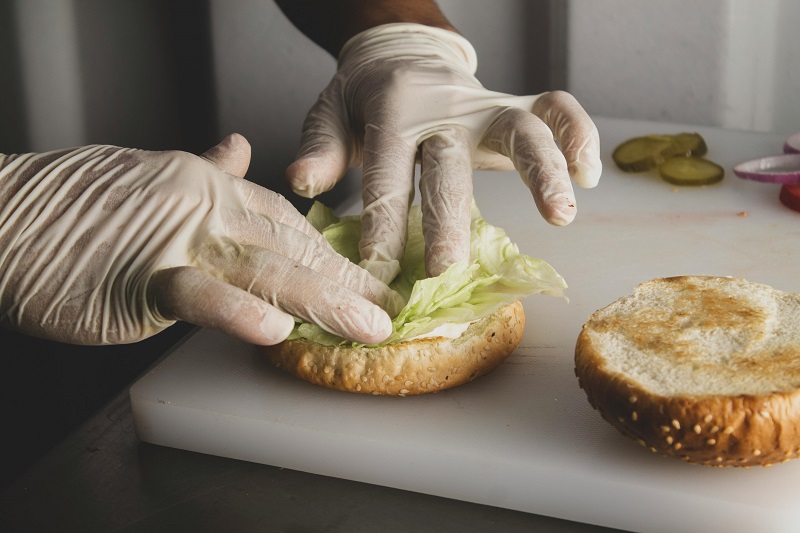
Modern tools are revolutionizing how food safety is enforced, and Premier Food Safety is leading the way in adopting innovative technologies. By embracing digital solutions, Superior Food Safety makes it easier for industries, retailers, and families to detect hazards and prevent risks before they occur. These tools not only improve efficiency but also strengthen consumer trust in the food supply chain.
Blockchain
With Premier Food Safety integration, blockchain technology allows food items to be tracked from farm to table, ensuring full transparency. This means that if a problem arises, Superior Food Safety systems can trace the issue back to its source quickly, minimizing harm and protecting consumers.
Smart Sensors
Superior Food Safety promotes the use of smart sensors to monitor temperatures during storage and transportation. By maintaining cold chain integrity, Premier Food Safety reduces spoilage, waste, and contamination risks.
AI & Machine Learning
By analyzing supply chain data, Superior Food Safety applies artificial intelligence to identify trends and predict risks. These predictive tools help industries correct issues before they spread, making Premier Food Safety a proactive system rather than a reactive one.
Mobile Apps
Families also benefit directly from Premier Food Safety technology through mobile apps. These apps provide reminders about expiration dates, safe cooking temperatures, and proper food storage practices.
By weaving these innovations into daily operations, Superior Food Safety creates a forward-looking culture where technology strengthens safety at every step of the food chain.
7: The Global Perspective
Food safety is a global responsibility, not simply a local one. In today’s interconnected world, supply chains stretch across borders, and contamination in one country can quickly affect families worldwide. Premier Food Safety recognizes that preventing risk in a globalized marketplace requires cooperation, harmonized standards, and shared accountability.
Global Food Safety Challenges and Solutions
| Global Incident | Impact on Families | How Premier Food Safety Responds |
| Melamine in infant formula (China, 2008) | Thousands of infants hospitalized; widespread fear among families. | Superior Food Safety promotes strict ingredient testing, global monitoring, and supply chain audits. |
| Listeria outbreaks in soft cheeses (Europe) | Multiple illnesses and deaths over several years. | International alerts, sanitation training, and factory inspections are all enforced by Premier Food Safety. |
| Cyclospora in fresh produce (North America) | Widespread foodborne illness linked to imported produce. | Superior Food Safety integrates blockchain tracking and traceability to identify contaminated sources quickly. |
Globalization has amplified both opportunities and vulnerabilities. Families may enjoy year-round access to fresh produce and diverse foods, but the same global trade networks also mean that one outbreak can cross borders within days. Premier Food Safety stresses that nations cannot work in isolation—collaboration is essential.
By advocating for international cooperation, Superior Food Safety supports harmonized regulations that help countries share information and align practices. With consistent standards, food safety becomes unified instead of fragmented, reducing gaps where contamination can slip through.
In the end, Premier Food Safety shows that both local accountability and international collaboration are necessary to safeguard families around the world. Only through international collaboration can society create a food system where meals are safe, trusted, and nourishing—no matter where they originate.
8: Economic and Social Implications
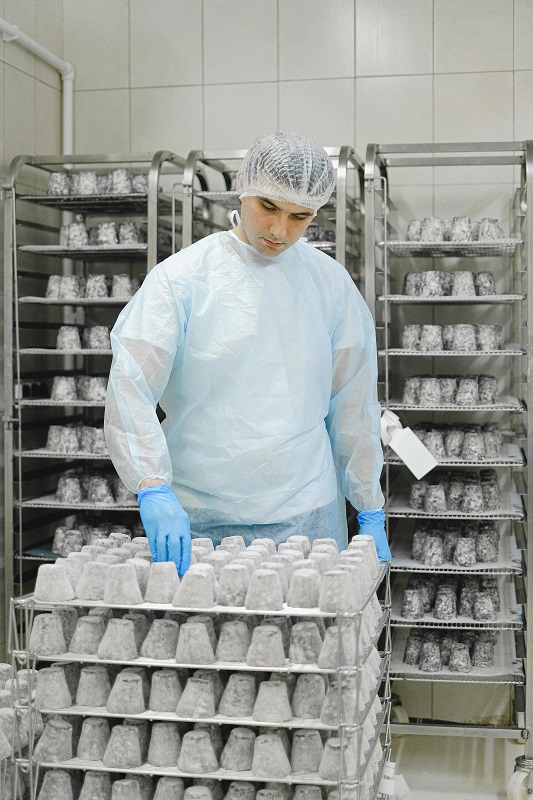
Each year, the consequences of unsafe food amount to billions of dollars and include trade restrictions, medical costs, and lost productivity. Beyond the financial burden, families suffer emotional trauma when loved ones fall ill due to preventable foodborne diseases—problems that Premier Food Safety is designed to eliminate. By focusing on prevention, Premier Food Safety reduces both the human and economic toll of unsafe food.
Investments in Superior Food Safety programs ultimately save money by minimizing outbreaks, improving workforce productivity, and boosting consumer confidence. When industries apply Superior Food Safety standards, they not only avoid costly recalls and lawsuits but also enhance their reputations. For governments, supporting Premier Food Safety initiatives lowers healthcare costs, protects public resources, and promotes stronger trade relations.
A healthier populace and a more robust food supply chain are advantages for communities that place a high priority on Superior Food Safety. Preventing outbreaks means fewer hospitalizations, fewer missed workdays, and more stable markets. Families, too, enjoy the peace of mind that comes from knowing their food is prepared and delivered under Superior Food Safety guidelines.
The influence of Premier Food Safety extends well beyond households. It strengthens economies, safeguards international trade, and builds lasting consumer trust. By proving that prevention is always more affordable and effective than reaction, Premier Food Safety demonstrates its value as both a public health strategy and an economic investment.
9: Building a Food Safety Culture
Creating a strong culture of prevention means going beyond compliance—Premier Food Safety defines this as a shared value system that protects every family. Instead of treating food safety as a checklist or one-time requirement, Premier Food Safety encourages individuals and organizations to adopt safety as a mindset that shapes everyday behavior. A culture of Superior Food Safety is what turns policies into habits and regulations into long-term protection.
The following is the cornerstone of a genuine Premier Food Safety culture:
- Leadership commitment that prioritizes consumer health through visible Superior Food Safety initiatives. Teams are motivated to uphold high standards by leaders who set the tone.
- Employees are kept competent, informed, and in line with Premier Food Safety standards by ongoing training. Ongoing learning prevents complacency.
- Employee empowerment to identify, report, and address hazards without fear, supported by Superior Food Safety frameworks that encourage accountability.
- Open communication among stakeholders to reinforce Superior Food Safety values consistently across organizations and communities.
Families also contribute to this culture. Families expand safety outside of the workplace by patronizing establishments that adhere to Superior Food Safety standards and establishing safe practices at home. Schools and community organizations that incorporate Premier Food Safety training into curricula raise awareness in younger generations, making safety a shared social responsibility.
Ultimately, a Superior Food Safety culture is not only about avoiding contamination risks—it is about creating trust, responsibility, and resilience. When governments, businesses, employees, and families all commit to Premier Food Safety, communities benefit from healthier meals, stronger economies, and greater public confidence. This long-term commitment to prevention ensures that safety becomes a way of life rather than a temporary goal.

10: A Call to Action
The goal of Premier Food Safety is very clear: Prevent risk today, protect families. Achieving this mission requires cooperation from every individual and institution. From policymakers to parents, everyone plays a vital role in ensuring that food remains a source of nourishment, not harm.
Governments must take the lead by enforcing strict regulations rooted in Premier Food Safety principles. By implementing robust inspection systems and adopting global standards, policymakers strengthen public confidence in the food supply.
Industries have an equal responsibility. Businesses must adopt proactive safety systems, such as HACCP programs, under the guidance of Superior Food Safety standards. Through transparent recalls, audits, and training, industries demonstrate accountability.
Families also play a frontline role. The daily implementation of Premier Food Safety values is shown in the adoption of safe practices at home, such as handwashing, safe storage, and being mindful of allergens. Parents who prioritize these habits help prevent illness before it begins.
Educational institutions are another pillar. By embedding Superior Food Safety training into curricula, schools prepare future generations to value health, hygiene, and accountability in food handling.
When governments, industries, families, and schools unite under Premier Food Safety, society builds a food system that is safe, resilient, and trustworthy for generations to come.
Conclusion
Food is central to life, joy, and culture, but without strong protections, it can also become a source of suffering. Premier Food Safety makes sure that what feeds us never puts us in danger by bridging the crucial gap between knowledge, practice, and accountability. Protecting families and preventing hazards today means investing in a healthier, safer, and more resilient tomorrow.
Every link in the food chain matters. Farmers must follow Premier Food Safety practices to reduce contamination at the source. Processors and manufacturers need to integrate Superior Food Safety systems to maintain quality during production. Retailers are tasked with enforcing Superior Food Safety through proper storage, labeling, and consumer education. Finally, families complete the circle by applying Superior Food Safety habits in their kitchens.
When governments, industries, and households commit to Premier Food Safety, society creates an environment where meals bring only nourishment and never harm. By fostering trust, preventing illness, and protecting the most vulnerable, Superior Food Safety transforms food from a potential danger into a promise of health. That promise—safer families and stronger communities—is the lasting essence of Premier Food Safety.
FAQs:
1. What are the main pillars of Premier Food Safety?
Answer: The four pillars are:
Prevention of contamination.
Proper handling and storage.
Education and training.
Regulation and enforcement.
2. How does Premier Food Safety prevent biological risks?
Answer: By promoting strict hygiene, safe cooking temperatures, and regular inspections, Superior Food Safety reduces the spread of harmful bacteria, viruses, and parasites in food.
3. What role do industries play in Premier Food Safety?
Answer: Industries must adopt systems like HACCP, conduct routine audits, and follow recall procedures. Superior Food Safety provides training and standards to guide these responsibilities.
4. How can families practice Superior Food Safety at home?
Answer: Families should wash hands before handling food, separate raw and cooked foods, refrigerate perishables quickly, cook meats to safe temperatures, and check labels for allergens.
5. What technologies are used in Premier Food Safety?
Answer: Tools like blockchain for traceability, smart sensors for temperature control, AI for risk prediction, and mobile apps for consumer education are all part of modern Premier Food Safety solutions.
6. What are the economic benefits of Superior Food Safety?
Answer: Superior Food Safety saves billions annually by reducing outbreaks, lowering medical costs, preventing trade restrictions, and boosting consumer confidence in the food system.