

Introduction
Have you ever craved the bold, aromatic flavors of Asian street food, but didn’t know where to find the best of it? Whether it’s the sizzling sounds from a roadside stall, the tempting aromas wafting through the air, or the burst of flavors with every bite, hawkers Asian street food has a unique charm that draws food lovers from all over the world. From bustling night markets in Bangkok to the iconic hawker centers of Singapore, this vibrant food culture offers an authentic and unforgettable experience.
In this article, we explore five of the best spots where you can indulge in hawkers Asian street food at its finest. These locations are known not only for their mouth-watering dishes but also for their cultural significance and the passion behind every plate. If you’re a foodie or just someone looking to experience something new, these places will surely satisfy your craving for authentic Asian street food.
So, why is hawkers Asian street food so beloved? It’s the diverse range of flavors—from fiery spices and savory broths to sweet treats—that makes it so irresistible. Each dish tells a story, from the secret family recipes passed down through generations to the local ingredients sourced from nearby markets. Hawkers Asian street food also offers a delightful variety of textures, from crunchy fried snacks to silky, steaming noodles, making every bite an adventure for your taste buds.
In this article, you’ll be introduced to five of the best hawker spots for authentic hawkers Asian street food, showcasing a mix of iconic dishes that have made these places famous. We’ll dive into the lively street food scenes of Singapore, Thailand, Taiwan, India, and South Korea, offering insight into the unique foods and cultural atmosphere each location has to offer. From the savory satay of Singapore’s hawker centers to the spicy tteokbokki of Seoul, this guide will help you navigate the world of hawkers Asian street food like a true connoisseur.
Get ready to embark on a flavorful journey to discover the best of hawkers Asian street food!
1. The Rise of Street Food Culture
Historical Overview
Street food has been an integral part of Asian culture for centuries, with its origins tracing back to ancient times when markets and public spaces were bustling centers of trade and socialization. In many Asian countries, hawkers Asian street food was born from the need for affordable, accessible meals for busy urban populations. In places like China, India, and Thailand, street vendors began selling simple, ready-to-eat dishes from carts or stalls, offering both locals and travelers a quick and flavorful meal. These dishes often reflected the regional ingredients available and the culinary techniques passed down through generations.
The cultural importance of hawkers Asian street food cannot be overstated. Street food is often seen as a communal activity, where families, friends, and strangers gather to share a meal in a vibrant, bustling atmosphere. It serves as a direct connection to the heart of local traditions, with recipes and techniques passed down within families or communities. These dishes are not just food; they represent cultural identity and social interaction.
As urbanization grew, particularly in Southeast Asia, street food culture blossomed. The evolution of hawkers Asian street food can be seen in how vendors adapted to changing tastes, improved techniques, and created new flavors that appealed to wider audiences. With the rise of mass tourism in the 20th century, hawkers Asian street food began to gain international recognition, attracting food lovers from all over the globe who sought an authentic taste of Asia’s culinary diversity.
Key Features of Asian Street Food
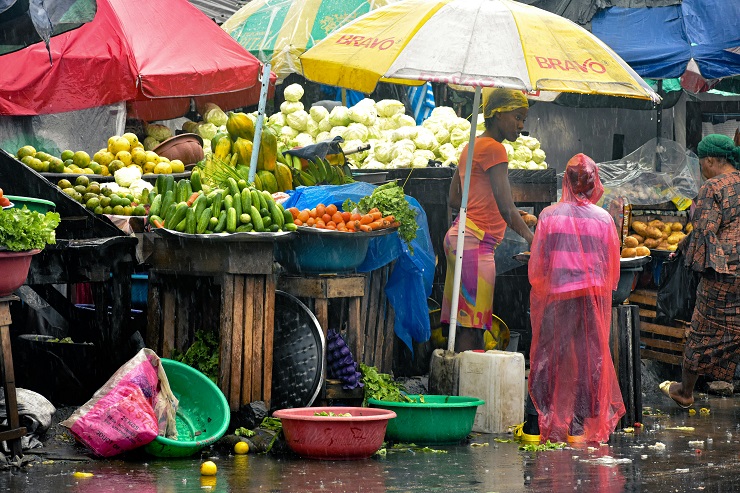
So, what makes hawkers Asian street food so special? At its core, it’s the combination of fresh ingredients, bold flavors, and the accessibility that makes it beloved by millions. Hawkers Asian street food emphasizes fresh, locally sourced ingredients. Vendors often source vegetables, meat, and seafood directly from local markets, ensuring the highest quality and flavor. The ingredients are carefully selected for their seasonal freshness, which enhances the overall taste of each dish.
Another key feature is the bold flavors. Asian street food is known for its wide range of intense, exciting tastes—from spicy curries and tangy sauces to sweet, savory, and umami-rich concoctions. Whether it’s the fiery heat of chili in Thai food or the savory depth of soy and garlic in Chinese dishes, hawkers Asian street food is packed with flavor that leaves a lasting impression.
Accessibility and affordability are also crucial aspects. Street food provides a low-cost, fast alternative to sit-down meals, making it accessible to people from all walks of life. Whether in the busiest city centers or a quiet rural area, you can always find a vendor selling delicious and filling meals. This affordability, coupled with the quick service, has made hawkers Asian street food an integral part of daily life in many parts of Asia.
Global Influence
In recent decades, hawkers Asian street food has crossed borders and made its mark on global food scenes. The global influence of Asian street food can be seen in the proliferation of food stalls, pop-up shops, and even food trucks that showcase authentic Asian dishes in cities across the world. Places like New York, London, and Sydney have embraced hawkers Asian street food, with vibrant food markets dedicated to street food from countries like Thailand, Vietnam, India, and Malaysia.
This international movement of hawkers Asian street food is not just about convenience or novelty; it’s about appreciating and celebrating the richness of Asian culinary traditions. Many food lovers from the West have become enamored with the complexity of street food flavors and the cultural storytelling that each dish offers.
As a result, dishes such as pho from Vietnam, dumplings from China, and satay from Indonesia have become global sensations, available in street corners and restaurants alike. In many ways, hawkers Asian street food has acted as an ambassador for Asian culture, bringing people together through the universal language of food.
What Makes It “Authentic”?
The question of authenticity in hawkers Asian street food is complex. Authenticity can be defined as staying true to the traditional methods and ingredients that have defined a dish or a culinary style for generations. Authentic street food often involves the use of time-honored recipes passed down through families or communities. For instance, a bowl of hawkers Asian street food such as laksa or ramen might rely on homemade broths, freshly ground spices, and hand-rolled noodles. These elements provide a taste of the region’s history and culture.
However, authenticity doesn’t always mean sticking strictly to the past. In the world of street food, there’s room for innovation, adaptation, and fusion. Many hawkers Asian street food vendors blend old recipes with new techniques or ingredients, making them relevant to the tastes of today while preserving their cultural roots. So, authenticity can also mean respect for the original flavors and techniques, while adapting them to modern times and palates.
2. What to Look for in an Authentic Street Food Experience
When embarking on a journey to experience hawkers Asian street food, there are several key elements to keep in mind that can truly define the authenticity of the meal and the overall experience. From the freshness of ingredients to the cultural significance behind each dish, here’s a closer look at what to expect when seeking out the best hawkers Asian street food.
Freshness of Ingredients
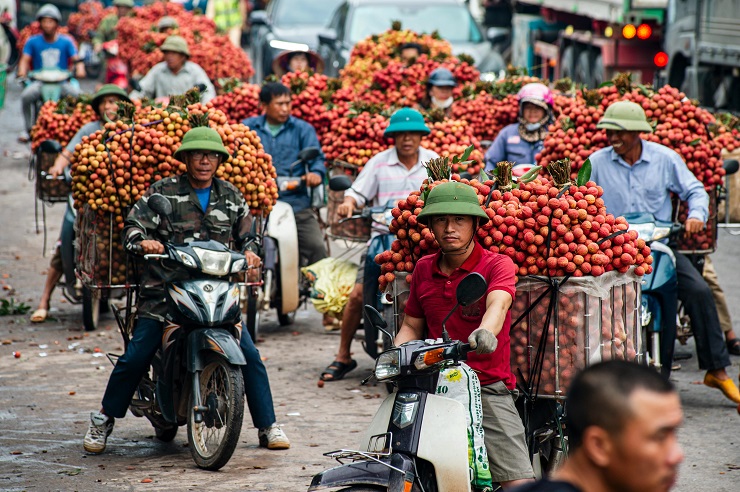
One of the cornerstones of hawkers Asian street food is the freshness of the ingredients used. In many Asian countries, street food vendors source their ingredients from local markets daily, ensuring that every meal is packed with flavor and nutrition. The vibrant colors of fresh vegetables, the firm textures of meat, and the delicate aroma of herbs are all signs that the vendor is committed to serving quality food. Freshness not only enhances the flavor but also supports the authenticity of the dish, as many traditional Asian recipes rely on seasonal produce that gives each meal its unique taste.
In hawkers Asian street food, the emphasis on using locally sourced ingredients goes beyond just flavor—it reflects the close relationship between food and community. Fresh herbs like cilantro, basil, and mint, along with key spices like ginger, garlic, and chili, are often added to dishes at the last minute to preserve their full flavor and aroma. This commitment to using the freshest ingredients ensures that hawkers Asian street food delivers an authentic and satisfying culinary experience with every bite.
Traditional Cooking Methods
The cooking techniques used in hawkers Asian street food are just as important as the ingredients themselves. Authentic street food vendors take great pride in using traditional methods that have been honed over generations. Wok-frying, grilling, steaming, and stir-frying are all integral to creating the perfect Asian street food dish. Each technique brings out unique flavors and textures that are central to the culinary experience.
For instance, wok-frying is a technique that involves high heat and rapid stirring, which helps to lock in the flavors and retain the crispness of ingredients. The sizzling sound of ingredients hitting a hot wok is a signature of authentic hawkers Asian street food, and it’s a technique that gives stir-fries their signature charred, smoky flavor. Grilling, whether it’s skewered satay in Singapore or barbecued meat in Taiwan, adds a savory richness to the food, while steaming preserves the natural flavors and textures of ingredients, such as in dim sum or dumplings.
These cooking methods are passed down through generations of skilled vendors, each perfecting their craft to create dishes that honor traditional Asian culinary practices. When you experience hawkers Asian street food, it’s not just about the food—it’s about the art of cooking and the history behind every dish.
Vendor Expertise
One of the most captivating aspects of hawkers Asian street food is the expertise of the vendors themselves. Many hawkers are seasoned professionals who have spent years mastering the art of street food preparation. The skill required to balance flavors, perfect cooking techniques, and assemble each dish with precision takes years of practice. In many cases, these street food vendors learn their craft from family members or mentors, passing down traditional recipes that have been perfected over time.
The vendor’s expertise can be seen in the way they handle the ingredients, the speed and precision with which they cook, and the care they take in presenting the dish. Each vendor has their own unique twist on a dish, based on years of experience and a deep understanding of the ingredients and techniques involved. This expertise is what transforms simple street food into a true culinary masterpiece. The passion that hawkers bring to their work is evident in the food they serve, and it’s one of the defining characteristics of hawkers Asian street food.
Atmosphere & Ambience
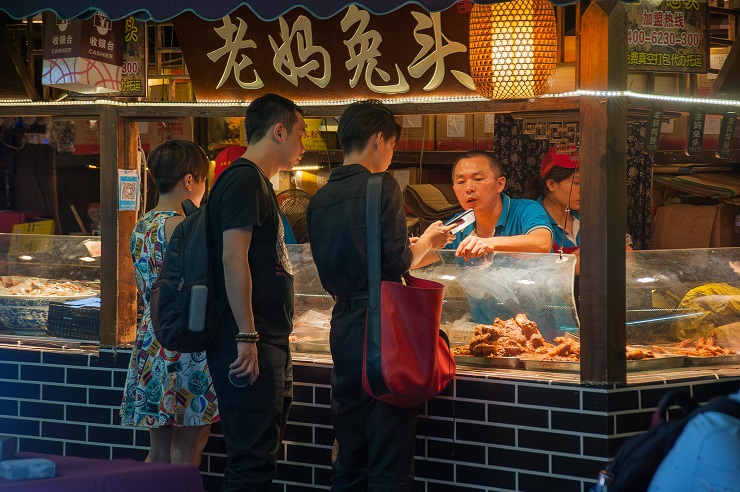
The setting in which hawkers Asian street food is served plays a significant role in the overall experience. An authentic street food experience is often characterized by vibrant, bustling markets or crowded food stalls filled with energy and life. Whether you’re enjoying your meal at a hawker center in Singapore or at a night market in Bangkok, the ambiance is an essential part of the experience. The sounds of sizzling woks, the chatter of fellow diners, and the enticing aromas filling the air create an atmosphere that is electric and welcoming.
In places like Taiwan’s Shilin Night Market or Seoul’s Myeongdong, the street food scene is a lively, communal experience where people of all ages gather to enjoy delicious food and socialize. It’s not just about the food; it’s about the connection to the community and the culture. The informal, no-frills nature of these street food settings allows you to focus entirely on the meal and the shared experience with fellow food lovers.
Cultural Significance
Perhaps the most important aspect of hawkers Asian street food is its deep connection to the culture and traditions of the region. Street food is more than just a meal—it’s a reflection of the local way of life, a window into the history and values of the community. Many street food dishes are tied to specific festivals, local food traditions, and even family rituals.
For example, in Vietnam, pho is not just a popular dish; it’s a part of the national identity, often enjoyed at breakfast or during celebrations. In India, street food like chaat is an integral part of local festivals, representing the blend of sweet, sour, spicy, and salty flavors that are a hallmark of Indian cuisine. Whether it’s the Lunar New Year or a local celebration, street food is central to many cultural rituals, bringing people together over shared flavors and experiences.
In this sense, hawkers Asian street food is not just food—it’s a celebration of culture, history, and tradition, passed down from one generation to the next. By enjoying street food, you’re participating in a global community that values the artistry and authenticity of these beloved dishes.
3. The 5 Best Spots for Authentic Asian Street Food
For food enthusiasts and travelers alike, hawkers Asian street food represents not just a meal, but a window into the heart and soul of a region’s culture. From the bustling hawker centers in Singapore to the lively night markets in Taiwan, Asian street food is about more than just flavor—it’s about tradition, history, and the vibrant street food culture that exists in every corner of Asia. In this section, we’ll explore five of the best spots around the world where you can indulge in hawkers Asian street food at its finest.
Spot i): Hawker Centers in Singapore
Overview of the Location
Singapore’s hawker centers are an iconic part of the city’s food scene, offering an unparalleled range of authentic and affordable hawkers Asian street food. These open-air food courts are spread across the city and house a mix of local and regional cuisines, with vendors offering everything from traditional Malay, Chinese, and Indian fare to fusion dishes. Famous hawker centers like Maxwell Food Centre, Lau Pa Sat, and Chinatown Complex are home to numerous stalls serving iconic dishes that showcase the diversity of Singapore’s food culture.
What Makes It Special
What sets Singapore’s hawker centers apart is their historical and cultural significance. They are a melting pot of different ethnic communities, and this diversity is reflected in the food. Whether you’re in the heart of Chinatown or near the bustling streets of Orchard Road, these hawker centers present a unique opportunity to sample some of the best hawkers Asian street food in the world, prepared by passionate vendors who are often family-run. The culture of eating at hawker centers in Singapore is not just about the food; it’s a social experience where people from all walks of life gather to share a meal.
Must-Try Dishes
- Hainanese Chicken Rice: This dish, often hailed as Singapore’s national dish, consists of poached chicken served with fragrant rice, accompanied by a flavorful chili sauce and a bowl of clear broth.
- Laksa: A spicy noodle soup made with a rich coconut milk-based broth, typically served with prawns or chicken.
- Satay: Skewers of marinated meat, often chicken or beef, grilled to perfection and served with a peanut dipping sauce.
- Chili Crab: A rich, spicy crab dish cooked in a sweet, tangy tomato-based sauce that is both flavorful and messy.
Vendor Insights
Excellent hawker legends in Singapore include Chan Hon Meng, the Michelin-starred chef in the back of Hong Kong Soya Sauce chook Rice & Noodle at Chinatown meals complex, and Fong’s Noodles, wherein an entire life of culinary enjoy creates the first-rate satay and noodle dishes in the area. Many of these hawkers have been perfecting their craft for decades, and the recipes they use have been passed down through generations.
Atmosphere
The lively atmosphere of Singapore’s hawker centers is what makes them truly special. The aroma of sizzling meats, steaming soups, and fragrant spices fills the air. The clinking of metal trays and the chatter of local patrons as they enjoy their meals add to the vibrant, bustling vibe. The mix of locals and tourists adds an international flair to the experience, creating a sense of unity through the universal love for hawkers Asian street food.
Spot ii): Street Food Markets in Bangkok, Thailand
Overview of the Location
Bangkok is often considered the street food capital of the world, and it’s easy to see why. From the labyrinthine alleys of Chinatown to the expansive Chatuchak marketplace, the town is home to a number of the best hawkers Asian road food you’ll discover somewhere.The street food scene in Bangkok is chaotic yet charming, with vendors offering everything from grilled meats and spicy noodles to sweet Thai desserts. Places like Yaowarat (Chinatown) and Sukhumvit avenue are known for their bustling meals stalls that serve up real, tasty, and low-priced food.
What Makes It Special
What makes Bangkok’s street food so special is the blend of flavors—sweet, sour, salty, and spicy—all working together to create a symphony of taste. The vendors, many of whom have been running their stalls for generations, know exactly how to balance these flavors. The high-energy, fast-paced environment of Bangkok’s street food markets also contributes to the city’s reputation as a haven for food lovers. Here, you’re not just eating—you’re participating in a cultural experience that celebrates the traditions and culinary heritage of Thailand.
Must-Try Dishes
- Pad Thai: A stir-fried noodle dish with shrimp or chook, eggs, peanuts, and a tamarind sauce that’s a perfect balance of sweet, sour, and salty.
- Som Tam: A spicy green papaya salad, frequently served with grilled hen or sticky rice.
- Satay: Skewered and grilled meats served with a savory peanut sauce.
- Mango Sticky Rice: A sweet dessert made with coconut milk, sticky rice, and ripe mango slices.
Local Experiences
In Bangkok, the street food vendors are not just selling food—they are preserving a cultural tradition that dates back hundreds of years. The dedication to their craft is apparent in the skill and precision with which they prepare each dish. The vendors are often proud to share the stories behind their recipes, which are often passed down through generations. Those markets offer a completely unique opportunity to research greater approximately Thai way of life and food traditions whilst enjoying a number of the pleasant hawkers Asian street food to be had.
Spot iii): Night Markets in Taiwan
Overview of the Location
Taiwan’s night markets are legendary, and Shilin Night Market in Taipei is the most famous of them all. These vibrant markets come alive after dark, offering an endless array of street food options that cater to every taste. Whether or not you’re seeking for deep-fried snacks, savory stews, or candy treats, Taiwan’s night markets offer an immersive food revel in that showcases the quality of hawkers Asian road food.
What Makes It Special
The night market culture in Taiwan is more than just about food; it’s an experience. Those markets are an area where humans of all ages acquire to eat, store, and socialize. The night markets combine food, entertainment, and shopping in a way that makes them a unique destination for both locals and tourists. The combination of food stalls, games, and cultural performances makes the atmosphere of these night markets dynamic and exciting.
Must-Try Dishes
- Lu Rou Fan: A comforting bowl of braised pork served over rice, typically accompanied by pickled vegetables.
- Bubble Tea: Originating from Taiwan, this sweet, milky tea is served with chewy tapioca pearls and is now a global sensation.
- Stinky Tofu: A fermented tofu dish that’s deep-fried and served with chili sauce, a must-try for the adventurous eater.
- Oyster Omelet: A savory omelet made with fresh oysters, egg, and a starchy batter, all topped with a sweet sauce.
Vendors and Vibes
Taiwan’s night market vendors are passionate about their food, often working tirelessly through the night to serve hot, fresh dishes to hungry customers. The markets are filled with the sounds of sizzling oil, customers bargaining for snacks, and the occasional whiff of something unfamiliar, making the experience both exciting and unique. These vendors are committed to offering an authentic taste of Taiwan, from classic dishes to modern twists on old favorites.
Spot iv): Delhi’s Paranthe Wali Gali, India
Overview of the Location
Located in the heart of Old Delhi, Paranthe Wali Gali is a narrow alley that’s famous for its stuffed parathas (flatbreads). This street has been serving hawkers Asian street food for over a century and remains a popular destination for both locals and tourists. It is a true testament to the food culture of Delhi, where history and flavors meet.
What Makes It Special
Paranthe Wali Gali is not just about the food; it’s about the experience. Walking down this street, you’ll find vendors offering dozens of varieties of parathas, each stuffed with different fillings, from potatoes and cauliflower to paneer and even lentils. The history of the street adds to the charm—many of the recipes have been passed down for generations, and the vendors take great pride in continuing the tradition of serving delicious, authentic Indian street food.
Must-Try Dishes
- Parathas: Deep-fried, stuffed flatbreads filled with a variety of ingredients such as potatoes, cauliflower, and paneer.
- Chole Bhature: Fried bread served with spicy chickpea curry.
- Aloo Tikki: Spiced potato patties served with chutneys and yogurt..
Spot v: The Streets of Seoul, South Korea
Overview of the Location
Seoul, South Korea’s capital, is a city where traditional and modern elements blend seamlessly. The street food scene is no exception. Markets like Myeongdong and Gwangjang are home to countless food vendors serving everything from savory snacks to decadent sweets. Seoul’s street food culture offers a mix of hawkers Asian street food that reflects both the city’s heritage and its contemporary food trends.
What Makes It Special
Korean street food offers a unique combination of traditional and modern flavors. While many dishes like tteokbokki and odeng have been enjoyed for generations, newer items like fusion-style buns and trendy drinks have also made their way into the street food scene. This balance between tradition and innovation is what makes Seoul’s street food culture so dynamic and appealing to food lovers.
Must-Try Dishes
- Tteokbokki: Spicy rice cakes served with fish cakes in a sweet and spicy sauce.
- Hotteok: A sweet pancake filled with brown sugar, cinnamon, and nuts.
- Odeng: Skewered fish cakes served with a savory broth.
Cultural Insight
In Seoul, food is an important part of the city’s culture, and hawkers Asian street food plays a crucial role in bringing people together. Whether it’s a quick snack after shopping or a meal shared with friends, food in Seoul is often a communal experience. The role of food in Korean life extends beyond just nourishment—it’s about creating bonds, sharing experiences, and embracing tradition.
4. How to Enjoy Authentic Asian Street Food at Home
While traveling to Asia to experience hawkers Asian street food is a dream for many, you can still bring the flavors of the street to your kitchen. With a few simple recipes, some street food kits, and the right techniques, you can enjoy the vibrant world of hawkers Asian street food right in your own home.
Street Food Recipes
Recreating hawkers Asian street food at home is easier than you might think! Here are a few recipes that can help you bring the essence of Asian street food to your kitchen:
- Hainanese Chicken Rice: Poach a whole chicken with ginger and garlic, then serve it with fragrant rice cooked in chicken stock. Add a side of spicy chili sauce and a bowl of clear broth for the perfect street food experience.
- Pad Thai: Stir-fry rice noodles with shrimp or chicken, eggs, bean sprouts, and a tangy tamarind sauce. Top it off with chopped peanuts, lime, and cilantro for an authentic taste.
- Banh Mi: This Vietnamese sandwich is filled with pickled vegetables, fresh cilantro, and your choice of meats (like grilled pork or chicken), all served on a crusty baguette. Drizzle with chili sauce and enjoy!
- Tteokbokki: For a Korean-inspired dish, cook spicy rice cakes in a sweet and spicy gochujang sauce, and add fish cakes and veggies for an authentic experience.
Street Food Kits
If you’re looking to recreate hawkers Asian street food without having to source all the ingredients from scratch, many suppliers offer DIY kits that let you make your favorite dishes at home. Some popular kits include:
- Ramen Kits: Companies like Tonkotsu or Yutaka offer ramen kits complete with noodles, broth, and toppings, making it easier to prepare a bowl of authentic ramen from the comfort of your home.
- Dim Sum Kits: Brands such as DimSumDirect offer DIY dim sum kits with all the necessary ingredients, allowing you to steam your dumplings, buns, and spring rolls just like in a true hawker stall.
- Banh Mi Kits: Companies like Bánh Mì Kit provide all the ingredients to create this delicious Vietnamese sandwich, including fresh baguettes, pickled vegetables, and savory sauces.
Cooking Tips
To truly capture the flavors of hawkers Asian street food, it’s important to focus on the cooking methods and presentation:
- Use a Wok: A wok is essential for stir-frying, giving your dishes that signature smoky flavor. Whether you’re making Pad Thai or a vegetable stir-fry, a wok can help you achieve the perfect texture and flavor.
- Perfect Your Sauces: The sauces are where the magic happens in hawkers Asian street food. Whether it’s a soy-based sauce, a tangy chili paste, or a creamy coconut milk curry, taking the time to balance the ingredients and cook the sauce properly will elevate your dish.
- Homemade Noodles: If you want to go the extra mile, consider making your own noodles. You can easily make fresh noodles for dishes like Pad Thai or ramen with just flour, water, and a pinch of salt, giving your dish an authentic, handmade touch.
Cultural Etiquette
While enjoying hawkers Asian street food at home, it’s important to respect the traditions and etiquette associated with the dishes you’re preparing. Here are a few cultural tips:
- Sharing Is Key: In many Asian cultures, street food is a communal experience. When dining at home, invite friends or family to share your meal. It’s not just about eating; it’s about connecting with others and enjoying the experience together.
- Respect the Ingredients: Use fresh, high-quality ingredients whenever possible. In countries like Thailand or Vietnam, using local produce makes a huge difference in the flavor and authenticity of the dish.
- Eat with Your Hands: In some cultures, such as India and Indonesia, street food is traditionally eaten with your hands. Don’t be afraid to embrace this custom when enjoying your meal, as it adds an extra layer of authenticity to your experience.
By following these tips, you can recreate the vibrant and diverse world of hawkers Asian street food right in your own kitchen, and share the experience with friends and family. Whether you’re preparing dishes from scratch or using a convenient kit, the key to an authentic experience lies in the ingredients, cooking methods, and the love you put into your food.
Conclusion:
In this journey through the world of hawkers Asian street food, we’ve explored five of the best spots where you can experience the true essence of Asian street food culture. From Singapore’s iconic hawker centers to the bustling night markets of Taipei, each location offers its own unique blend of flavors, traditions, and vibrant atmosphere.
In Singapore, the hawker centers like Maxwell Food Centre and Lau Pa Sat stand as a testament to the city’s rich culinary diversity, where dishes like Hainanese chicken rice and chili crab showcase the country’s melting pot of cultures. In Bangkok, the streets and markets like Chatuchak and Yaowarat offer a chaotic yet delicious variety of street foods, from Pad Thai to mango sticky rice, capturing the heart of Thai cuisine.
Moving to Taiwan, the famous night markets, such as Shilin, offer a perfect combination of food, entertainment, and social interaction, where you can enjoy everything from bubble tea to stinky tofu. In Delhi, Paranthe Wali Gali presents an authentic look at India’s street food culture, with stuffed parathas and chole bhature being the ultimate comfort foods. Lastly, the streets of Seoul offer a unique mix of traditional and modern street food, where dishes like tteokbokki and hotteok highlight Korea’s rich food culture, alongside newer, trendy street food options.
The reason hawkers Asian street food is so beloved around the world lies in its authenticity, vibrancy, and deliciousness. Street food is not just a meal; it’s an experience that immerses you in the culture, traditions, and history of the region. The use of fresh, local ingredients, the dedication of skilled vendors, and the lively atmosphere of bustling markets create an unforgettable culinary adventure. Whether you’re eating at a hawker stall in Singapore or at a street vendor in Bangkok, the flavors are rich and the experience is unparalleled.
We encourage you to explore these fantastic hawkers Asian street food spots, whether by visiting these iconic destinations or replicating the experience in your own kitchen. With the right ingredients and a bit of creativity, you can enjoy authentic street food at home, too. And, of course, we’d love to hear from you! What’s your favorite hawkers Asian street food? Share your stories and food adventures with us in the comments below! Your next delicious adventure is just a dish away!
FAQs:
What is hawker food?
Answer: Hawker food refers to a wide range of affordable and flavorful street food sold by hawkers, or street vendors, in Asia. It is typically found in outdoor markets or food courts, offering a variety of dishes, often representing the diverse cultures and cuisines of Asia.
Where did hawker food originate?
Answer: Hawker food originated in Southeast Asia, especially in countries like Singapore, Malaysia, Thailand, and Indonesia. It was influenced by Chinese, Malay, Indian, and indigenous cooking traditions, becoming a central part of the food culture in these regions.
What are some popular hawker foods?
Answer: Popular hawker foods include dishes like Hainanese chicken rice, laksa (spicy noodle soup), satay (grilled skewers), char kway teow (stir-fried noodles), roti john (egg sandwich), and nasi lemak (coconut rice with condiments).
Why is hawker food so popular?
Answer: Hawker food is popular because it offers delicious, flavorful meals at affordable prices. It is often made with fresh ingredients, showcasing traditional recipes and cooking techniques. The casual and vibrant atmosphere of street food markets also adds to its appeal.
Is hawker food spicy?
Answer: Many hawker dishes can be spicy, especially those from Southeast Asia. Dishes like laksa, sambal, and certain noodle soups are known for their spicy flavor. However, spiciness levels can often be adjusted based on personal preference.
What makes hawker food different from restaurant food?
Answer: Hawker food is typically simpler, faster, and more affordable compared to restaurant food. It is often cooked in smaller portions, offering a more intimate street food experience. The focus is on flavors, efficiency, and street-level accessibility.
Can you find vegetarian options in hawker food?
Answer: Yes, many hawker food markets offer vegetarian options. For example, dishes like vegetarian fried rice, tofu stir-fries, and vegetable satay are commonly found. Additionally, in places like India, vegetarian hawker food is a significant part of the food culture.
How has hawker food evolved over time?
Answer: Over time, hawker food has evolved to reflect modern tastes while still staying true to traditional recipes. Many vendors have started experimenting with fusion dishes, combining elements from different cuisines. In addition, hawker food has become more accessible to a global audience through food festivals and international restaurant openings.
Is hawker food safe to eat?
Answer: While hawker food is generally safe to eat, it’s important to choose vendors that maintain good hygiene standards. Most hawker centers have strict regulations for cleanliness, and the high turnover of food helps ensure fresh meals. Always observe how vendors handle food and how clean the stalls are to ensure food safety.