
Introduction
Food safety is something many of us overlook in our everyday lives, yet it plays a crucial role in protecting our health. With the growing complexity of the global food supply chain, foodborne illnesses and contamination have become significant concerns. Every year, millions of people in the USA suffer from foodborne diseases, with the CDC estimating that 48 million people are affected, leading to thousands of hospitalizations and deaths. Whether it’s improper handling, contamination during processing, or inadequate storage, food safety is vital to prevent these risks.
As consumers, it is essential to understand how food safety issues can arise and how to protect ourselves and our families. From understanding food safety news to staying informed about FDA food safety news, the right knowledge can make a significant difference in keeping food safe. With the constant updates in the food safety news today, knowing how to prevent contamination is more important than ever.
In this article, we will explore three simple but highly effective ways to stay safe from foodborne illnesses. These approaches are grounded in food safety news, with a special focus on FDA food safety news, updates on food safety certification news, and the latest trends in Korea food safety recall news. With this knowledge, you can take proactive steps to avoid food-related risks and ensure your food is safe to eat.
Do you know the risks surrounding the food you eat every day? Are you aware of the latest food safety news or the FDA food safety news that could impact your meals? If not, this article is for you. Let’s dive into the top 3 ways to stay safe and protect yourself from potential food hazards. By the end, you’ll be well-equipped with the knowledge to keep your meals fresh, safe, and healthy.
“Food safety news,” “FDA food safety news,” “food safety news today,” “Korea food safety recall news,” “food safety certification news.”
Stay Informed with the Latest Food Safety News
Why Staying Informed Matters:
Staying informed with the latest food safety news is essential for making smart and safe choices when it comes to food. New food safety hazards or recalls can emerge at any time, and being unaware of these developments puts you at risk. Foodborne illnesses, which are caused by harmful bacteria or viruses, affect millions of people in the USA annually. The most common risks include Salmonella, E. coli, and Listeria, all of which can lead to severe illnesses, hospitalizations, or even death.
Salmonella is one of the most prevalent foodborne pathogens, often found in raw poultry, eggs, and unpasteurized milk. E. coli, particularly the strain O157:H7, is commonly associated with undercooked ground beef, leafy vegetables, and contaminated water. Listeria, found in ready-to-eat deli meats, soft cheeses, and unpasteurized products, poses a particular risk to pregnant women, the elderly, and those with weakened immune systems. These risks can be minimized significantly by staying up-to-date on food safety news and taking necessary precautions.
Food safety news today often highlights the latest outbreaks or contamination events, alerting consumers to potential dangers in their food. For instance, outbreaks of E. coli in spinach or Salmonella in peanut butter may prompt widespread recalls. Without staying informed, consumers may unknowingly purchase or consume unsafe products. Regularly checking food safety news today is the best way to avoid these risks and keep your family safe.
Sources for Food Safety Updates:
There are several trusted sources where you can find reliable and up-to-date food safety news. The following organizations are at the forefront of monitoring food safety and providing timely updates:
- FDA (Food and Drug Administration): The FDA is a critical player in regulating food safety in the United States. They monitor foodborne illnesses, approve food safety protocols, and enforce laws designed to protect consumers.
- USDA (United States Department of Agriculture): The USDA plays a significant role in ensuring that meat, poultry, and eggs are safe to eat. Their updates provide guidance on safe food handling, preparation, and recalls.
- CDC (Centers for Disease Control and Prevention): The CDC tracks foodborne illnesses and outbreaks, providing data and insights on how diseases spread through food and the public health impact.
- Other Government Health Agencies: State and local health departments often provide updates on foodborne illness outbreaks and food safety advisories.
You can access food safety news today through these agencies’ official websites, social media channels, and news alerts. Subscribing to their newsletters or setting up email alerts for recalls and advisories ensures that you are always informed about food safety issues.
FDA Food Safety News:
The FDA food safety news is a crucial resource for anyone who consumes food in the USA. The FDA is responsible for monitoring and regulating the food supply, ensuring that it meets strict safety standards. Their food safety news covers a wide range of topics, from foodborne illness outbreaks to newly discovered risks in food production. They also issue food safety certification news, which details updates to food safety protocols and certification processes.
A prime example of FDA food safety news was the massive recall of Romaine lettuce in 2018, due to an E. coli outbreak linked to contaminated lettuce from California. The FDA traced the source of contamination and worked with growers and distributors to pull affected products off the shelves. The recall impacted millions of pounds of lettuce, but the timely response from the FDA helped prevent further illness. The incident highlighted how quickly foodborne pathogens can spread and the importance of monitoring food safety in real-time.
By following FDA food safety news, consumers can stay informed about ongoing recalls, new regulations, and health advisories. The FDA regularly issues updates on their website, making it easy for consumers to track the status of food safety alerts and protect themselves from potential risks.
Korea Food Safety Recall News:
While food safety issues in the USA are heavily covered by the FDA food safety news, food safety is a global concern, and other countries also experience similar challenges. Korea food safety recall news provides insight into the food safety landscape outside of the USA and highlights the global nature of food safety issues.
One notable example of Korea food safety recall news occurred in 2019, when a major recall was issued for kimchi products contaminated with Listeria monocytogenes. The recall affected several well-known brands of kimchi sold in supermarkets across Korea and abroad. As kimchi is a staple food in Korean cuisine, this recall had significant public health implications. The recall was triggered after routine testing identified the presence of Listeria, which can cause severe illness, especially in vulnerable populations. This case highlighted the importance of international food safety standards and the need for continuous monitoring of food products, even in countries with advanced food safety systems.
The Korea food safety recall news serves as a reminder that foodborne risks are not confined to one country. In today’s interconnected world, food safety issues can cross borders, and staying informed about international food recalls is just as crucial as monitoring local sources.
Actionable Tip:
To ensure you’re always in the loop regarding food safety news, it’s essential to actively follow trusted sources. Here are some practical tips to stay informed:
- Subscribe to Newsletters: Sign up for newsletters from the FDA, CDC, and USDA for the latest food safety updates.
- Set Up Alerts: Many government agencies and news websites offer food safety alerts that you can set up on your phone or email.
- Check Social Media: Follow the social media accounts of the FDA, CDC, and other food safety organizations for real-time updates and recalls.
- Use Food Safety Apps: Several apps provide food safety news and allow users to track recalls and report foodborne illnesses.
- Visit Official Websites Regularly: Make it a habit to check official food safety news sources like the FDA or CDC to get updates directly from the source.
By taking these steps, you can stay ahead of any potential food safety risks and ensure the food you eat is safe.
In today’s world, staying informed with the latest food safety news is more important than ever. With FDA food safety news and food safety news today constantly providing updates on new risks, recalls, and certification changes, consumers can make more informed decisions about their food. Furthermore, international news, like Korea food safety recall news, reminds us that food safety is a global issue, and staying informed is crucial for protecting ourselves and our families.
By actively following reliable sources for updates and taking necessary precautions, you can avoid foodborne illnesses and keep your meals safe. In the next sections, we’ll explore more ways to ensure your food is safe by recognizing contamination signs and verifying food safety certifications.
Know the Signs of Contaminated Food and How to Avoid It
Explanation:
One of the best ways to ensure your food is safe is by learning how to identify contaminated food before consumption. Contaminated food can lead to serious health issues, including food poisoning, gastrointestinal problems, and even life-threatening illnesses. The key to preventing these risks is vigilance and knowing what to look for. Food safety news is full of valuable tips on how to avoid consuming contaminated food. Some of the most common signs of food contamination include unusual odor, changes in color, and alterations in texture. Let’s break down these signs:
- Unusual Odor: Fresh food should have a pleasant, natural smell. A sour, rancid, or off-putting odor can indicate spoilage or bacterial growth. For example, meat that has gone bad may emit a strong, unpleasant smell, while dairy products may sour.
- Color Changes: A significant shift in the color of food is a red flag. Fresh meat should be bright red, and vegetables should retain their vibrant colors. If you notice green spots on fruits or wilted, discolored edges on leafy vegetables, it’s best to avoid eating them.
- Texture Changes: The texture of food is another indicator of contamination. For instance, if meat feels slimy or sticky, it may be due to bacterial growth. Fruits and vegetables may become mushy or soft, indicating spoilage.
Regularly checking your food before consumption is one of the simplest ways to prevent foodborne illnesses. Always trust your senses—if something seems off, it’s better to discard the food than risk your health.
Example:
To illustrate the importance of identifying contaminated food, let’s look at a real-world case from Korea food safety recall news. In 2021, a recall was issued for a popular brand of kimchi after tests revealed contamination with Listeria monocytogenes. Kimchi is a fermented food and, when improperly stored, can pose significant risks due to bacterial growth. The contamination was detected after routine testing by local health authorities, who identified bacterial traces in the product.
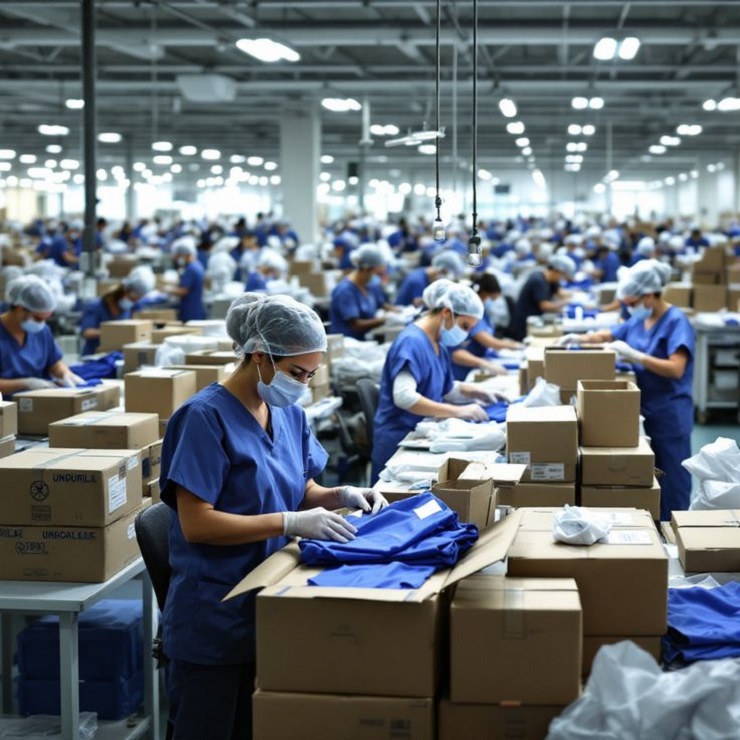
This recall is a classic example of how contamination can be hidden in a product until it’s too late for consumers who may have already purchased the product. The contamination was traced back to the factory’s failure to maintain proper hygiene standards during production and packaging. While the contamination was caught in time and products were pulled from shelves, it could have been avoided with better food safety practices during production and packaging.
By staying informed with food safety news, particularly Korea food safety recall news, consumers can better understand the risks and learn from such incidents. This recall also highlights the importance of not relying solely on the appearance of food; contamination can often go unnoticed without proper testing.
Actionable Tip:
Here are some practical steps you can take to ensure that the food you buy and consume is safe:
- Inspect Packaging: always take a look at that the packaging is intact. Torn or punctured packaging can be a sign that the food inside has been compromised. Look for expiration dates and any signs of damage to packaging that could lead to contamination.
- Check Labels: Many food products come with storage instructions and safety guidelines. Be sure to read the labels for any warnings about handling or consumption. For example, some products require refrigeration, and ignoring these instructions can lead to bacterial growth.
- Smell and Look at the Food: Before consuming any perishable food, smell it.If it smells off or bitter, discard it.Look for any discoloration, spots, or changes in texture that could signal spoilage.
- Buy from Trusted Sources: Always purchase food from trusted stores or suppliers. Reputable businesses will follow food safety certification standards to ensure their products are safe to consume. Look for food safety certifications like HACCP or ISO 22000, as they guarantee that the food was processed, handled, and stored according to high safety standards.
- Follow Storage Guidelines: Proper food storage is essential to maintaining its safety. Make sure you follow storage instructions, especially for meats, dairy, and ready-to-eat foods. Keep your fridge at the proper temperature (below 40°F or 4°C) to prevent bacteria growth.
By being proactive and diligent in checking the food you buy, you can minimize your risk of consuming contaminated food and protect your health.
Knowing how to identify contaminated food and taking the necessary precautions can significantly reduce your risk of foodborne illnesses. Staying updated with food safety news and paying attention to recalls like Korea food safety recall news ensures that you are always informed about potential risks. By following simple practices like inspecting food for signs of contamination, checking labels, and adhering to proper storage guidelines, you can ensure that your meals are safe. With these steps, you can enjoy your food with peace of mind, knowing you’ve taken the necessary precautions.
Get Food Safety Certifications for Peace of Mind
Understanding Food Safety Certifications:
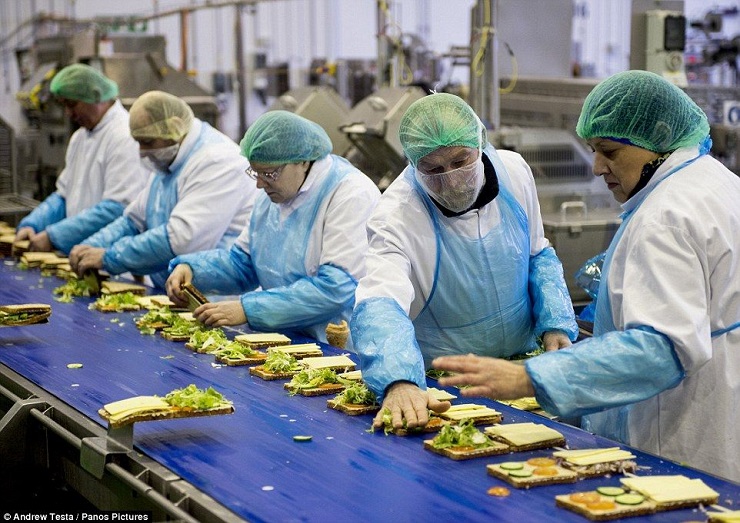
Food safety certifications are crucial standards that ensure food products and handling processes comply with health and safety regulations. These certifications are issued by regulatory agencies and independent third-party organizations that evaluate food safety practices in the production, processing, packaging, and distribution stages. Their purpose is to protect consumers from the risks of foodborne illnesses, contamination, and unsafe food handling practices.
Agencies like the FDA (Food and Drug Administration) and USDA (United States Department of Agriculture) play a central role in certifying food safety in the USA. The FDA oversees the safety of food products sold across state lines, including regulations for food labeling, additives, and processing standards. The USDA, on the other hand, focuses primarily on the safety of meat, poultry, and eggs, ensuring that these products meet strict safety guidelines before reaching consumers.
In addition to government agencies, independent organizations such as the International Organization for Standardization (ISO) and the Safe Quality Food (SQF) Institute provide certifications that assess food safety management systems. These certifications help businesses demonstrate their commitment to providing safe food products and building consumer trust.
With the ever-present risks of contamination and foodborne illnesses, food safety certifications act as a guarantee that a product has been tested, processed, and handled according to strict safety protocols. Staying informed about food safety news and food safety certification news can help consumers make safer, informed decisions when purchasing food.
Types of Food Safety Certifications:
There are several key food safety certifications that businesses and food producers can obtain. These certifications vary in their scope and focus, but they all aim to ensure that food products meet the necessary health and safety standards.
- HACCP (Hazard Analysis and Critical Control Points):
HACCP is one of the most widely recognized food safety certification programs. It’s miles a systematic approach to figuring out, comparing, and controlling food protection risks. The HACCP certification ensures that food producers are following safety protocols at every stage of food production, from raw materials to final products. Businesses that earn HACCP certification have demonstrated their ability to minimize risks such as contamination and foodborne illness. - SQF (Safe Quality Food):
The SQF program is a global food safety certification that evaluates food safety management systems and the quality of food products. SQF certification is often required by major retailers and food service providers. It involves a thorough audit of a business’s food safety practices and ensures that their processes meet rigorous international standards. SQF certification helps companies show their commitment to food safety, providing consumers with confidence in the products they purchase. - ISO 22000:
ISO 22000 is an worldwide popular for meals safety management systems. It combines elements of HACCP and ISO 9001 (quality management systems) to create a comprehensive approach to food safety. The ISO 22000 certification requires food businesses to implement procedures that identify food safety hazards, control risks, and continuously improve their food safety practices. ISO 22000 is recognized worldwide and is often required by international buyers and trade partners.
Food Safety Certification News:
The food safety landscape is constantly evolving, with new standards and certifications emerging to address changing risks and consumer concerns. Food safety certification news keeps consumers and businesses up to date on these developments. Regulatory bodies like the FDA often update their food safety protocols, which can impact the certifications that food producers must obtain.
For example, in recent FDA food safety news, there has been a growing emphasis on traceability in the food supply chain. The FDA has introduced regulations that require producers and retailers to implement more robust systems to track food products from farm to table. This is a significant shift in food safety, aimed at making it easier to identify contaminated products during recalls, reducing the spread of foodborne illnesses.
Another example of food safety certification news involves the ongoing updates to food safety protocols for organic food certification. The USDA has recently introduced stricter guidelines for organic food certification to ensure that consumers can trust the products they purchase. These updates include more rigorous testing for pesticide residues and greater transparency in labeling.
As these updates continue to shape the industry, staying informed through food safety news and food safety certification news is essential for both food businesses and consumers. Following the latest certification trends helps ensure that food safety remains a top priority, reducing risks for all parties involved.
Global Perspective on Food Safety Certifications:
While food safety certifications are crucial in the USA, they also play a significant role in international trade. As the food supply chain becomes increasingly global, certifications are vital for ensuring that food safety standards are maintained across borders. Korea food safety recall news serves as a great example of how food safety is a global issue. Recently, there have been several recalls of imported food products in Korea, including contaminated seafood and kimchi. These incidents highlight the importance of food safety certifications not just in the USA, but worldwide.
Countries like South Korea have their own food safety certification systems, but they often rely on international certifications like HACCP and ISO 22000 to ensure that the food products they import meet high safety standards. This global perspective is crucial, as foodborne illnesses can easily cross borders, making it necessary for countries to collaborate and uphold similar food safety standards.
For consumers, understanding international food safety certifications is important, especially when purchasing imported food products. Knowing that a product has been certified by a globally recognized organization provides peace of mind, as it assures them that the food has been handled with care and meets stringent safety requirements.
Why Certifications Matter to Consumers:
For consumers, food safety certifications provide a critical level of assurance. When purchasing food, especially from new or unfamiliar brands, certifications act as a seal of approval that the product has passed rigorous safety checks. Certifications like HACCP, SQF, and ISO 22000 ensure that food products are safe from contamination, chemicals, and other risks.
By choosing certified products, consumers can reduce their exposure to harmful pathogens like Salmonella, E. coli, and Listeria. Certifications also ensure that the food has been processed, stored, and handled in a way that minimizes risks. This is particularly important for high-risk foods like meat, dairy, and seafood.
In today’s market, many consumers are looking for products that align with their values, such as sustainability, quality, and safety. Food safety certifications are one way to guarantee that food producers are committed to these values. Certified food products are often considered more trustworthy and are more likely to be purchased by informed consumers.
Actionable Tip:
To make safer food choices, always check for food safety certifications when purchasing food, particularly from new brands or suppliers. Look for certifications like HACCP, SQF, and ISO 22000 on product packaging, especially for perishable foods. When shopping for imported goods, check if they have international certifications, as these products have undergone rigorous safety checks to ensure their quality.
Consumers can also visit the websites of food safety certification organizations to verify if a product is genuinely certified. Many certifications have online databases that allow you to search for certified food products by brand, type, or country.
Food safety certifications provide peace of mind for consumers, ensuring that food products meet high safety standards and are free from contamination. With the ever-changing landscape of food safety, staying informed through food safety certification news is essential to make safe, informed decisions. Whether it’s FDA food safety news or updates in Korea food safety recall news, food safety certifications offer a reliable assurance that the food we consume is safe, high-quality, and handled with care. By relying on certified products, consumers can minimize their risks and enjoy their meals with confidence.
Conclusion:
In this article, we’ve discussed three key methods to stay safe when it comes to food. First, staying informed with food safety news is essential for understanding potential risks and staying updated on foodborne illness outbreaks and recalls. By regularly checking FDA food safety news and food safety news today, you can be aware of the latest food safety developments and take action to protect yourself.
Second, recognizing contaminated food is crucial. By knowing the common signs of contamination—such as unusual odor, color, or texture changes—you can make better decisions about what you eat. This simple practice can help you avoid the dangers of spoiled or unsafe food, reducing your risk of foodborne illnesses.
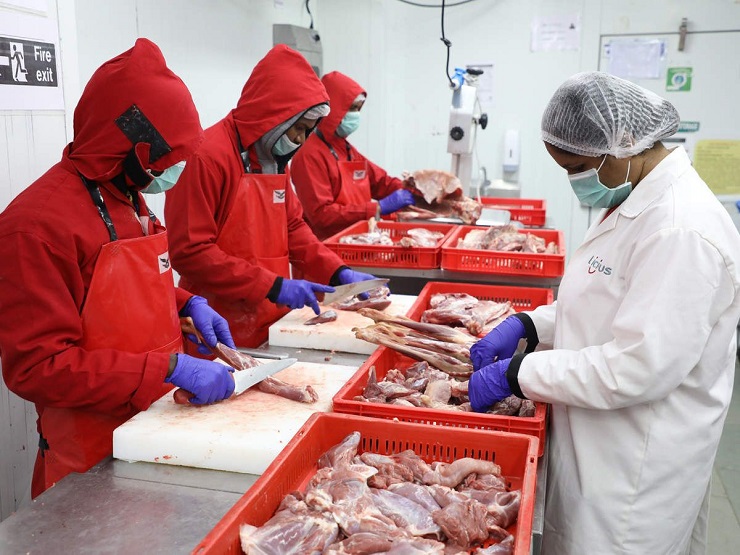
Lastly, ensuring food safety certifications are in place provides added confidence. Food safety certification news informs consumers about the standards that food producers must meet to ensure their products are safe. Certifications like HACCP, SQF, and ISO 22000 guarantee that food has been handled, processed, and stored according to rigorous safety standards, offering you peace of mind.
By implementing these practices in your daily life, you can significantly reduce your risk of foodborne illness and ensure that the food you consume is safe. Staying informed, being cautious with food, and checking for certifications are simple but effective steps in keeping yourself and your family healthy.
I encourage you to regularly check FDA food safety news, subscribe to updates, and stay vigilant about food recalls and safety certifications. By doing so, you’ll be proactive in safeguarding your health and making informed decisions about what you eat.
We’d love to hear your thoughts and experiences with food safety. Have you ever encountered a food recall or contamination issue? How do you ensure the meals you consume is safe? Share your experiences in the comments below, and don’t forget to check food safety news today for the latest updates on food recalls and safety protocols. Stay proactive, stay informed, and always prioritize food safety!
Food safety is a shared responsibility between consumers, manufacturers, and regulatory agencies. We all have a role to play in ensuring that food is safe for consumption. By staying educated on food safety news, being diligent about recognizing contaminated food, and trusting certified products, we can significantly reduce food safety risks. Remember, the more informed and proactive we are, the safer we’ll be when it comes to what we eat.
FAQs:
1. What is food safety news?
Answer:
Food safety news refers to updates and reports about the risks and safety measures related to food products. It includes information on foodborne illnesses, food recalls, new regulations, and safety certifications. Keeping up with food safety news today helps consumers stay informed about potential risks and ensures that the food they consume is safe.
2. Why should I follow food safety news?
Answer:
Following food safety news is crucial because it keeps you informed about foodborne illness outbreaks, recalls, and safety updates. For example, FDA food safety news provides alerts about contaminated products or health risks that could affect public health. By staying updated, you can protect yourself and your family from unsafe food.
3. What is the role of the FDA in food safety news?
Answer:
The FDA food safety news provides essential updates on food safety regulations, recalls, and consumer alerts. The FDA is responsible for monitoring foodborne diseases, setting safety standards, and issuing recalls when food products pose health risks. Their reports ensure that consumers are aware of any immediate dangers related to food.
4. How do I stay updated on food safety news today?
Answer:
To stay updated on food safety news today, you can subscribe to official websites like the FDA, CDC, and USDA. These organizations provide daily updates on food recalls, health alerts, and food safety certifications. You can also set up notifications or follow their social media accounts for real-time updates.
5. What are common food safety risks highlighted in food safety news?
Answer:
Common food safety risks reported in food safety news include contamination from pathogens like Salmonella, E. coli, and Listeria. FDA food safety news often covers these risks in relation to meat, dairy, vegetables, and other perishable items. It’s important to recognize the signs of contamination and avoid consuming risky food products.
6. Can food safety news help prevent foodborne illnesses?
Answer:
Yes, food safety news plays a vital role in preventing foodborne illnesses by informing consumers about recalls, unsafe products, and outbreaks. For example, Korea food safety recall news often alerts consumers about contaminated products, helping them avoid potentially harmful foods. Regularly checking food safety news helps prevent the spread of illness.
7. How do food safety recalls work according to food safety news?
Answer:
Food safety recalls occur when a company or regulatory agency, like the FDA, identifies a risk in a food product, such as contamination or mislabeling. FDA food safety news reports these recalls, including details on affected products, batch numbers, and how to return or dispose of them safely. It’s important to follow these updates closely to protect your health.
8. What is the significance of food safety certification news?
Answer:
Food safety certification news informs consumers and businesses about certifications like HACCP, SQF, and ISO 22000. These certifications guarantee that food products meet safety standards. Businesses with certified food safety practices help reduce the risk of contamination, and consumers can trust these products to be safe.
9. What recent example of food safety news today can help improve safety practices?
Answer:
A recent FDA food safety news update involved a recall of ground beef due to E. coli contamination. This recall emphasized the importance of proper food handling and monitoring by producers. By staying informed about food safety news today, consumers can learn about new safety practices and avoid unsafe foods.
10. How do global food safety recall news, like Korea food safety recall news, affect food safety practices?
Answer:
Global Korea food safety recall news highlights the international nature of food safety issues. For instance, a recall of kimchi in Korea due to Listeria contamination showed the importance of stringent food safety practices worldwide. This helps set global standards and reminds consumers to check for international food safety certifications, ensuring food safety across borders.