


Introduction
We’ve all been there: a long day at work or school, and the craving for fast food hits. The allure of that crispy, golden french fry or a juicy burger is nearly impossible to resist. But as you sink your teeth into that comforting fast food, a wave of guilt follows. The truth is, we often associate fast food with unhealthy eating, and that lingering feeling of guilt is something most of us are all too familiar with. But what if you could enjoy your fast food cravings without that burden?
Speedy food has end up an integral a part of current lifestyles.. From quick lunch breaks at the office to weekend meals with friends, it’s fast, convenient, and undeniably delicious. However, the challenge lies in making healthier choices amidst the tempting options that many fast food restaurants offer. With rising health concerns like obesity, heart disease, and diabetes, it’s easy to feel like you must completely cut out fast food from your life to stay healthy. However that doesn’t have to be the case. Fast food doesn’t always have to be unhealthy, and there are ways to enjoy it without compromising your health goals.
In this blog, we’ll explore 7 simple ways to satisfy your fast food cravings guilt-free. These tips focus on making small changes that can have a big impact on your overall well-being while still enjoying the flavors you love. By opting for healthier ingredients, controlling portions, and embracing mindful eating, you can indulge in fast food without the regret. Whether you’re looking to lose weight, eat cleaner, or simply make better choices, these strategies will help you navigate fast food menus with confidence, knowing you’re making choices that align with your health goals. Let’s dive in and discover how you can enjoy fast food while staying healthy!

1. Opt for Healthier Ingredients
When it comes to fast food, one of the most important steps toward making healthier choices is opting for better ingredients. Fast food, by its very nature, often contains processed ingredients that are high in unhealthy fats, sugars, and sodium. However, by simply substituting these processed components with whole foods, you can enjoy a healthier meal without sacrificing flavor. These simple swaps not only improve the nutritional profile of your fast food meals but also help you manage your overall health.
Substitute Processed Ingredients with Whole Foods
Highly processed ingredients are often found in fast food, such as refined grains, pre-packaged sauces, and sugary dressings. While these ingredients may be convenient, they tend to be low in nutritional value and can contribute to weight gain, poor digestion, and increased risk of chronic diseases. A simple way to enhance the healthiness of your fast food meals is by replacing these processed ingredients with more wholesome options. For example, consider using whole grains instead of refined white bread. Opting for whole wheat buns, brown rice, or quinoa will provide more fiber, vitamins, and minerals, all of which are vital for overall health.
Switching out lean proteins like grilled chicken, turkey, or plant-based options (such as tofu or beans) in place of deep-fried meats also makes a significant difference. These alternatives are lower in unhealthy fats and higher in nutrients. By choosing fresh vegetables like spinach, kale, and tomatoes, instead of soggy lettuce or pickles, you can boost the nutritional value of your meal without compromising on taste.
Healthier Cooking Methods
One of the most significant contributors to unhealthy fast food is deep frying, which adds extra fat and calories to your meals. A simple and effective way to make fast food meals healthier is by swapping out deep frying for other cooking methods that reduce the amount of unhealthy fats. Grilling, baking, and air frying are all excellent alternatives that help preserve the flavors while keeping your meals lighter.
- Grilling: Grilled meats are a great choice because the excess fat drips away, leaving behind a leaner protein source. Whether you’re preparing a chicken breast, a turkey burger, or vegetables, grilling enhances the natural flavors without adding unnecessary calories.
- Baking: Baking is another healthy option for preparing fast food. Whether you’re baking chicken tenders or roasted potatoes, baking allows you to cook with minimal oil, making your meal much lighter.
- Air Frying: Air fryers are revolutionizing the fast food industry, offering a healthier way to enjoy crispy foods like french fries, chicken wings, and even fried shrimp. Air frying uses hot air circulation to cook food, producing a crispy texture similar to deep frying but with far less oil.
Switching to these cooking methods not only helps reduce the unhealthy fats found in fast food but also preserves the food’s flavor and texture, making your meal just as satisfying.
Smart Toppings and Add-ons
Another way to make your fast food healthier is by being mindful of the toppings and add-ons you choose. Fast food meals are often loaded with calorie-dense sauces, sugary dressings, and high-fat condiments. However, there are many nutritious alternatives that can add flavor and texture without the added calories.
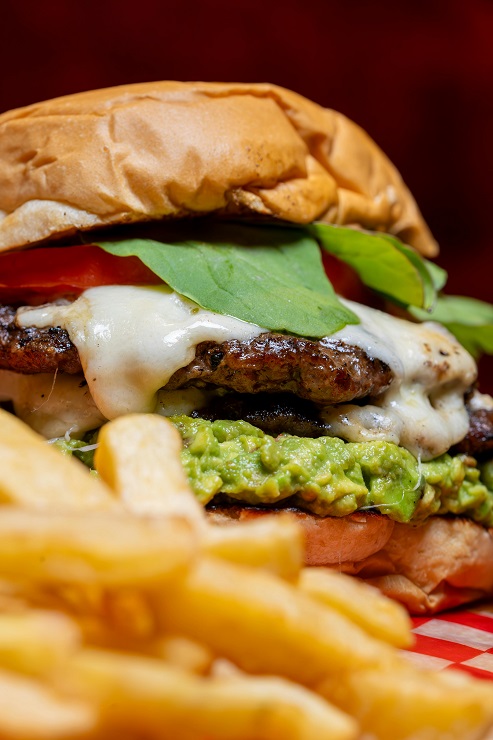
For example, consider avocado as a substitute for mayonnaise or creamy sauces. Avocados are a great source of healthy fats, fiber, and essential vitamins like potassium, making them an excellent choice for boosting the nutritional value of your fast food. You can also try using hummus or Greek yogurt as a spread instead of heavier, calorie-laden options. These alternatives provide a creamy texture while offering additional health benefits like probiotics and protein.
Instead of sugary sauces, try using fresh herbs like basil, cilantro, or parsley to add a burst of flavor to your dishes. These herbs are low in calories and high in antioxidants, which can support your immune system and overall health. Additionally, a squeeze of lemon or lime juice can add a refreshing kick to your meal without the added sugar found in many bottled dressings.
Case Study/Example: A Healthier Chicken Burger
Let’s take the classic chicken burger as an example of how easy it is to transform a fast food dish into a healthier version. Traditionally, a chicken burger might consist of a deep-fried chicken patty, a white bun, and mayo-based dressing. By making a few simple changes, you can turn this classic fast food dish into a much healthier meal.
Start by replacing the deep-fried chicken patty with a grilled or baked chicken breast, which is leaner and contains fewer calories. Instead of the standard white bun, opt for a whole wheat bun for added fiber and nutrients. Add some fresh, crunchy veggies like tomatoes, lettuce, and onions, which will not only improve the flavor but also provide essential vitamins and minerals. For the topping, swap out the mayo for avocado slices or a dollop of Greek yogurt to add a creamy texture without the extra fat.
By making these simple swaps, you’ve turned a traditional fast food item into a guilt-free version that is just as delicious, satisfying, and much better for your health.

2. Control Portion Sizes
One of the easiest ways to enjoy fast food without feeling guilty is by controlling your portion sizes. Fast food is often served in large quantities, tempting us to eat more than we really need. Unfortunately, overeating can lead to weight gain, digestive discomfort, and long-term health problems. By understanding portion control, you can enjoy fast food without going overboard, allowing you to satisfy your cravings without the unnecessary excess.
Understanding Portion Sizes
Portion control refers to the practice of limiting the amount of food you eat in a single sitting. It’s crucial for preventing overeating and ensuring that you don’t consume more calories than your body requires. In a world where large portions are the norm, it’s easy to lose track of how much you’re actually eating, especially when indulging in fast food. But by learning to manage portion sizes, you can maintain a balanced diet while still enjoying your favorite fast food meals.
The concept of portion control is important because it helps regulate calorie intake, which plays a significant role in managing weight and overall health. Eating larger portions than necessary can lead to an excess of calories, which, over time, can result in weight gain. By controlling your portions, you can enjoy fast food in moderation, making healthier choices without depriving yourself of the foods you love.
Menu Tips
When dining at fast food restaurants, it’s essential to navigate the menu carefully. Here are some practical tips to help you control your portion sizes and make healthier choices when ordering:
- Order Smaller Portions: Many fast food restaurants offer different portion sizes, such as small, medium, or large servings. Opting for the smallest portion available can significantly reduce your calorie intake. For example, instead of ordering a large fries, choose the smaller size, or consider ordering a side salad instead of a large meal.
- Split Dishes with Friends: If you’re dining with friends or family, consider sharing your meal. Splitting a burger, fries, or pizza allows you to enjoy a variety of foods without overindulging. This is a great way to try different menu items without consuming excessive portions.
- Opt for “Lighter” Menu Options: Many fast food chains now offer “lighter” or “healthier” menu items that are specifically designed with portion control in mind. These items typically have fewer calories, less fat, and smaller portion sizes. Look for options like grilled chicken sandwiches, veggie wraps, or smaller-sized sides to keep your meal balanced.
Mindful Eating
Mindful eating is another powerful tool for controlling portion sizes when indulging in fast food. This practice involves being fully present while eating and paying attention to how the food looks, smells, tastes, and makes you feel. By slowing down and savoring every bite, you can become more attuned to your body’s hunger cues and stop eating when you’re satisfied—not stuffed.
- Eat Slowly: Fast food can be easy to inhale quickly, especially when you’re hungry. But eating slowly allows your brain to catch up with your stomach and signals when you’re full. It also helps you enjoy the flavors and textures of your meal more fully, making you feel more satisfied with smaller portions.
- Pay Attention to Hunger Cues: Mindful eating encourages you to check in with your body during meals. Are you still hungry, or are you consuming out of dependancy or boredom? By tuning into your body’s signals, you can avoid overeating and make sure you’re eating only what you truly need.
- Focus on the Food: Avoid distractions like watching TV or scrolling through your phone while eating. This allows you to focus entirely on your meal, making it easier to notice when you’re full. A more relaxed, focused eating experience helps you appreciate your fast food meal, ensuring that you don’t feel the need to consume large portions.
Practical Example: Reducing Portion Sizes
Let’s consider a practical example: a fast food meal consisting of a classic cheeseburger, fries, and a soda. Traditionally, this type of meal might be served as a large combo with a large soda and large fries. However, by simply controlling your portions, you can enjoy the same meal in a healthier way.
Start by opting for a small burger instead of a large one. Most fast food restaurants offer smaller-sized burgers or sandwiches that are just as satisfying but with fewer calories. Next, choose a small fries or even better, opt for a side salad or fruit cup instead. Lastly, skip the soda and replace it with water or a low-calorie drink.
By reducing portion sizes, you still get to enjoy the flavors you crave but with a smaller overall calorie count. This approach allows you to indulge in fast food without feeling overly stuffed or guilty afterward. It’s all about balance—eating enough to feel satisfied, but not to the point of discomfort.
3. Choose Nutrient-Dense Fast Food Options
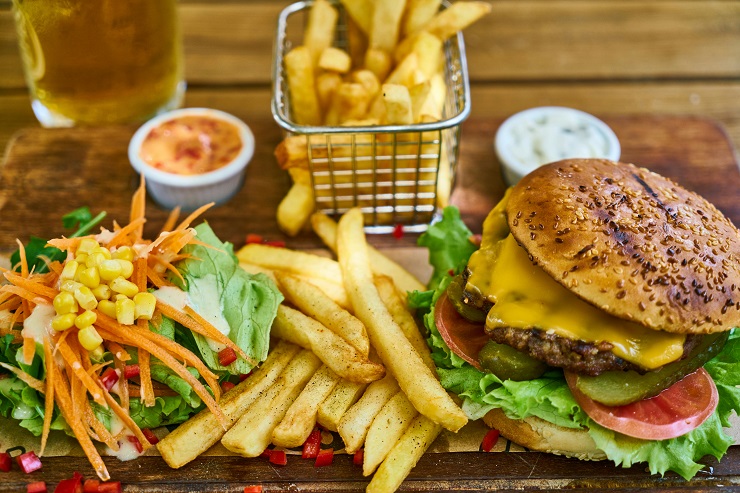
When you think of fast food, your mind may immediately go to greasy fries, sugary sodas, and calorie-laden burgers. While these items may satisfy your cravings, they often come with little nutritional value. However, it’s possible to make healthier choices without sacrificing taste or convenience. By opting for nutrient-dense fast food options, you can enjoy a fulfilling meal that fuels your body with the essential vitamins, minerals, and fiber it needs.
Nutrient-Rich Meals
One of the best ways to make fast food healthier is by choosing meals that are rich in fiber, vitamins, and minerals. These essential nutrients support overall health, improve digestion, and help maintain energy levels throughout the day. Fortunately, many fast food restaurants now offer nutritious alternatives that incorporate these vital nutrients.
- Salads: A well-balanced salad can be a great option for a fast food meal, especially when it’s packed with nutrient-dense ingredients. Look for salads that contain leafy greens such as spinach, kale, or arugula, which are high in vitamins A, C, and K, and provide essential antioxidants. Add protein-rich toppings like grilled chicken, turkey, or tofu for a more satisfying meal. Avoid creamy dressings and instead opt for balsamic vinaigrette or olive oil to keep the calories in check.
- Grilled Meats: When ordering meat at a fast food restaurant, choose grilled options instead of fried ones. Grilled chicken or turkey is an excellent source of lean protein, which is essential for muscle repair and growth. Avoid fried chicken or battered meat, which are higher in unhealthy fats and calories.
- Veggie-Packed Wraps: Veggie wraps are another excellent choice for a nutritious fast food meal. Wraps made with whole wheat tortillas and filled with fresh vegetables like tomatoes, cucumbers, lettuce, and peppers provide a good amount of fiber, which aids in digestion and keeps you feeling full longer. Adding lean protein sources like grilled chicken or beans can further boost the nutritional value of the meal.
Avoid Empty Calories
While fast food can be nutritious, it’s equally important to avoid items that are high in empty calories—foods that provide little to no nutritional value but are packed with sugar, unhealthy fats, and refined carbs. These foods can lead to weight gain, blood sugar spikes, and increased risk of chronic diseases such as diabetes and heart disease.
Some of the most common culprits in fast food meals include:
- Sugary Drinks: Sodas, sweetened teas, and energy drinks are some of the biggest sources of empty calories in fast food. These beverages are often loaded with added sugars, which can contribute to weight gain and poor overall health. Opt for water, unsweetened iced tea, or sparkling water instead to hydrate without the added sugar.
- Fries: While delicious, French fries are deep-fried and often served in large portions. They are typically high in unhealthy fats and refined carbs, which can contribute to weight gain and raise cholesterol levels. Consider swapping fries for a side salad, vegetable sticks, or a fruit cup for a healthier alternative.
- Pastries: Pastries, doughnuts, and other baked goods are also common items on fast food menus, but they are often high in refined sugars, unhealthy fats, and calories. These types of foods are low in nutrients and can quickly add unnecessary calories to your meal. If you’re craving something sweet, opt for fruit or a small portion of dark chocolate instead.
By choosing nutrient-dense options over foods high in empty calories, you can enjoy fast food without the negative health consequences that often come with it.
Superfoods in Fast Food
Incorporating superfoods into your fast food meal is an excellent way to enhance the nutritional value of your meal without compromising on taste. Superfoods are nutrient-dense foods that provide a wide range of vitamins, minerals, antioxidants, and other health benefits. Luckily, many fast food chains are beginning to incorporate superfoods into their menus, offering healthier options for those looking to make better choices.
- Spinach: Spinach is a powerhouse of nutrients, including iron, calcium, and vitamins A and K. It’s an excellent addition to salads, wraps, and sandwiches. Many fast food restaurants now offer spinach as a base for their salads or in wraps and sandwiches instead of iceberg lettuce, which provides fewer nutrients.
- Kale: Another leafy green, kale is packed with fiber, antioxidants, and vitamins. Kale salads are becoming more popular in fast food restaurants, offering a nutrient-dense alternative to traditional salads. Kale also pairs well with grilled chicken, avocado, and other healthy toppings.
- Chia Seeds: Chia seeds are loaded with fiber, omega-3 fatty acids, and protein, making them a great addition to smoothies, salads, or even as a topping for yogurt bowls. Some fast food chains have started offering chia pudding or chia seed toppings as part of their menu options.
- Quinoa: Quinoa is a gluten-free grain that is high in protein, fiber, and essential minerals like magnesium and phosphorus. It can be added to salads, bowls, or wraps to make them more filling and nutritious. Many fast food restaurants now offer quinoa as a base in bowls or as a side dish.
Example: Fast Food Chains Incorporating Superfoods
Several fast food chains have already embraced the trend of adding superfoods to their menus, providing healthier, nutrient-packed options for customers.
- Chipotle: Known for offering customizable burritos, bowls, and salads, Chipotle now offers quinoa as a base for its bowls, in addition to the traditional rice. This is a great option for those looking for a healthier grain alternative. They also offer fresh vegetables and leafy greens like spinach and kale to enhance the nutritional value of their meals.
- Subway: Subway has made significant strides in incorporating superfoods into their sandwiches and salads. Their kale salad is a great example of a nutrient-dense fast food item that packs in antioxidants and vitamins. Subway also offers a variety of fresh vegetables to add to sandwiches and wraps, making it easy to customize a healthy meal.
- Starbucks: Starbucks, often associated with coffee, also offers a variety of nutrient-rich options like their kale salad and protein boxes, which include superfoods like quinoa and chia seeds. Their Smoothie Bowls often feature chia seeds, spinach, and other nutrient-dense ingredients, making them a healthy snack or meal choice.
By choosing meals with these superfoods, you can boost the nutritional content of your fast food while still enjoying a delicious and satisfying meal.

4. Go for Plant-Based Alternatives
In recent years, plant-based options have become more prevalent in the fast food industry, offering a healthier and more sustainable alternative to traditional meat-based meals. This growing trend is not just about catering to vegetarians or vegans; it’s also about providing everyone with the opportunity to make healthier food choices. Whether you’re trying to cut back on meat for health reasons, environmental concerns, or simply looking for something new and delicious, plant-based fast food options are a great way to satisfy your cravings while benefiting your body.
Plant-Based Fast Food: A Growing Trend
The demand for plant-based fast food has skyrocketed in recent years as more people become aware of the health benefits and environmental impact of plant-based diets. Major fast food chains have started to offer plant-based alternatives to their classic meat dishes, making it easier for consumers to opt for healthier meals without sacrificing convenience or taste. These options are often made with ingredients like soy, pea protein, lentils, beans, and grains, providing a satisfying and nutritious alternative to meat.
What’s exciting is that many plant-based fast food items are designed to mimic the taste, texture, and appearance of traditional meat products. This allows those who are used to eating meat to transition to plant-based options without feeling like they are missing out on their favorite meals.
Health Benefits of Plant-Based Meals
One of the biggest reasons to choose plant-based fast food is the numerous health benefits it offers. Plant-based meals tend to be lower in saturated fats, cholesterol, and calories compared to traditional meat-based options. This makes them an excellent choice for those looking to improve their heart health, maintain a healthy weight, or reduce the risk of chronic diseases like diabetes and hypertension.
- Lower in Saturated Fats: Animal products are high in saturated fats, which can raise your LDL (bad) cholesterol levels and increase your risk of heart disease. Plant-based meals, on the other hand, are typically lower in saturated fats and are rich in healthy fats like those found in nuts, seeds, and avocados.
- Cholesterol-Free: Unlike meat, which contains cholesterol, plant-based foods are naturally cholesterol-free. Reducing cholesterol intake is essential for maintaining healthy arteries and supporting overall cardiovascular health.
- High in Fiber: Many plant-based foods, such as fruits, vegetables, legumes, and whole grains, are excellent sources of fiber. Fiber helps with digestion, supports heart health, and promotes satiety, making you feel fuller for longer. A diet high in fiber is also linked to lower rates of certain types of cancer, particularly colon cancer.
- Packed with Antioxidants: Plant-based foods are rich in antioxidants, which help combat oxidative stress and inflammation in the body. Antioxidants play a vital role in reducing the risk of chronic diseases and improving overall immune function.
By opting for plant-based fast food, you can enjoy a meal that’s not only delicious but also contributes to long-term health and well-being.
Popular Plant-Based Fast Food Choices
The rise of plant-based fast food has given us a wide variety of delicious options to choose from. Here are some of the most popular plant-based choices available at many fast food restaurants:
- Plant-Based Burgers: Perhaps the most well-known plant-based fast food option, plant-based burgers are made with meat alternatives like soy protein, pea protein, and mushrooms. These burgers are designed to resemble the taste and texture of beef patties but are completely vegan and lower in fat and calories. Brands like Impossible Foods and Beyond Meat have revolutionized the fast food industry by creating plant-based patties that taste just like the real thing.
- Veggie Wraps: For a lighter, more nutrient-packed meal, veggie wraps are a fantastic plant-based option. These wraps are typically filled with fresh vegetables like lettuce, tomatoes, cucumbers, and avocado, and are often paired with a plant-based protein like hummus, falafel, or a veggie patty. They provide a delicious and satisfying way to enjoy fast food without the heaviness of traditional meat-based meals.
- Plant-Based Pizzas: Many fast food pizza chains now offer plant-based options, replacing cheese with vegan alternatives and offering a variety of plant-based toppings. These pizzas are a great choice for those who love pizza but want a healthier, dairy-free option. Some chains also offer gluten-free crusts to accommodate those with dietary restrictions.
- Plant-Based Tacos and Burritos: Mexican-inspired fast food chains like Taco Bell have embraced the plant-based movement by offering tacos and burritos filled with plant-based proteins like Beyond Meat. These options are often accompanied by fresh veggies, beans, and grains, making them a filling and nutritious choice.
Example: The Impossible Burger at Burger King
One of the most famous examples of a plant-based fast food option is the Impossible Whopper at Burger King. This plant-based burger is made with the Impossible Burger patty, which is created by Impossible Foods using soy protein and other plant-based ingredients. The Impossible Whopper is designed to mimic the taste, texture, and appearance of a traditional beef burger, making it a popular choice for both vegetarians and meat-eaters looking to reduce their meat consumption.
The Impossible Whopper comes with all the classic toppings of a regular Whopper, such as lettuce, tomato, pickles, and mayonnaise, but with a plant-based patty that contains fewer calories and no cholesterol. This burger provides a satisfying meal that’s lower in fat and better for your heart, without compromising on taste.
Similarly, Taco Bell has partnered with Beyond Meat to offer plant-based alternatives in its tacos and burritos. The Beyond Meat option is used as a filling for various items like the Beyond Taco and the Beyond Burrito, offering a delicious plant-based alternative to the traditional beef-filled options. These items are not only lower in fat but are also a good source of plant-based protein and fiber.
5. Create Your Own Fast Food
While eating out at fast food restaurants can be convenient, it’s often difficult to find healthier options that align with your dietary goals. The good news is that you can make your own fast food at home using fresh, whole ingredients. By preparing meals at home, you have full control over what goes into your dishes, ensuring that they’re packed with nutrients and free from the excess sugars, fats, and preservatives often found in fast food.
Making your own fast food at home doesn’t have to be complicated or time-consuming. In fact, many healthy homemade alternatives can be made in under 30 minutes, allowing you to satisfy your cravings without the guilt. Let’s explore how you can create healthier fast food options at home that are just as delicious and convenient as what you’d find at your favorite restaurant.
Making Healthier Choices at Home
When you create your own fast food at home, you can focus on using fresh, whole ingredients that are much healthier than the processed options typically found at fast food chains. For example, instead of using refined flour for pizza crust, you can make your own using whole-grain flour or even cauliflower for a gluten-free option. Instead of deep frying, you can bake or grill your meals to reduce unhealthy fats. Homemade fast food also allows you to include more vegetables, lean proteins, and whole grains, making your meals more nutritious.
Cooking at home gives you the flexibility to customize your meals according to your preferences, dietary needs, and health goals. Plus, it’s usually more cost-effective than eating out or ordering takeout, allowing you to enjoy healthier meals without breaking the bank.
Simple Recipes for Homemade Fast Food
Here are a few simple, quick-to-make recipes for fast food that are healthier than their restaurant counterparts:
- Healthy Wraps: Wraps are a great option for a quick and nutritious meal. Start with a whole-grain or spinach tortilla and fill it with lean protein like grilled chicken or tofu, fresh vegetables like lettuce, cucumbers, and tomatoes, and a healthy sauce such as hummus or Greek yogurt. These wraps are customizable and packed with fiber, vitamins, and protein, making them a satisfying meal.
- Homemade Pizza: Instead of ordering greasy pizza from a chain, try making your own at home with a whole-grain or cauliflower crust. Top it with a tomato-based sauce, fresh vegetables like bell peppers, onions, and mushrooms, and lean protein like grilled chicken or turkey. For a dairy-free option, use vegan cheese or a light sprinkling of regular cheese. This homemade pizza will be lower in calories and fat than most fast food pizza options.
- Veggie-Packed Burgers: Skip the fast food burger joints and make your own veggie-packed burger at home. You can make these burgers with healthy ingredients like chickpeas, black beans, quinoa, or lentils. Add in finely chopped vegetables like spinach, carrots, or zucchini for added nutrition. Top with avocado, tomato, and a whole-grain bun for a satisfying and heart-healthy meal.
Ingredient Substitutes for Healthier Fast Food
If you’re craving your favorite fast food but want to make it healthier, here are some ingredient substitutes you can try:
- Cauliflower Crust for Pizza: Traditional pizza crust is often made with refined flour, which lacks fiber and can spike blood sugar levels. Instead, opt for a cauliflower crust, which is lower in carbs and packed with fiber. It’s a great gluten-free option that can help make your pizza a healthier meal.
- Greek Yogurt Instead of Mayonnaise: Mayonnaise is high in unhealthy fats and calories, making it a less-than-ideal choice for sandwiches and wraps. Swap it out for Greek yogurt, which is lower in calories, rich in protein, and full of probiotics. It adds creaminess without the added fat.
- Zucchini Noodles for Pasta: If you’re craving pasta, try zucchini noodles (also called zoodles) instead of traditional pasta. Zoodles are lower in calories and carbohydrates but still give you the satisfying texture of pasta. Pair with a homemade tomato sauce or a light pesto for a delicious meal that won’t leave you feeling sluggish.
- Baked Sweet Potato Fries: Instead of ordering deep-fried French fries, make your own fast food fries at home using sweet potatoes. Sweet potatoes are a great source of fiber and vitamins, and baking them instead of frying helps keep the dish healthier while still providing that crispy texture.
Recipe Example: Healthy Homemade Veggie Burger
Here’s a simple recipe for a fast food classic—the veggie burger—that’s both nutritious and delicious.
Ingredients:
- 1 can of chickpeas (drained and rinsed)
- 1/2 cup cooked quinoa
- 1/4 cup finely chopped spinach
- 1/4 cup grated carrots
- 1/4 cup finely chopped onion
- 2 tablespoons olive oil
- 1 tablespoon whole-wheat breadcrumbs (optional for binding)
- 1 teaspoon garlic powder
- Salt and pepper to taste
- Whole-grain buns
Instructions:
- In a large bowl, mash the chickpeas with a fork or potato masher until mostly mashed but still slightly chunky.
- Add the cooked quinoa, spinach, carrots, onion, olive oil, garlic powder, and breadcrumbs (if using). Stir until well combined. Season with salt and pepper to taste.
- Form the mixture into patties, making about 4-5 burgers.
- Warmth a non-stick skillet over medium heat and gently oil it. cook dinner the patties for about 4-5 mins on every side until golden brown and crispy.
- Toast the whole-grain buns lightly. Serve the veggie patties with your favorite toppings, such as avocado, tomato, and lettuce.
This homemade veggie burger is packed with plant-based protein, fiber, and vitamins, making it a much healthier option than many traditional fast food burgers. It’s easy to put together and may be customized along with your favorite toppings and condiments.
6. Skip Sugary Drinks
When it comes to fast food, one of the easiest ways to make your meal healthier is by skipping sugary drinks. Sugary sodas, sweetened juices, and other sugary beverages are a staple at many fast food restaurants, but they can have serious negative effects on your health. While they might quench your thirst in the moment, the long-term consequences of consuming sugary drinks are far from harmless.
The Impact of Sugary Drinks
Sugary drinks are often packed with empty calories, meaning they provide little to no nutritional value while contributing to weight gain. Consuming these beverages regularly can lead to excess calorie intake, contributing to obesity and related health problems. Additionally, sugary drinks cause rapid spikes in blood sugar levels, which can be harmful to your metabolism and increase your risk of type 2 diabetes over time.
Beyond weight gain and blood sugar spikes, sugary drinks also increase the risk of chronic diseases such as heart disease and dental cavities. High sugar intake has been linked to higher cholesterol levels, higher blood pressure, and an increased risk of heart disease. These beverages also contribute to tooth decay, as the sugar in sodas and juices feeds harmful bacteria in your mouth, leading to cavities and other dental problems.
For many people, sugary drinks are a common addition to fast food meals, but reducing their consumption can help you maintain better overall health and enjoy your meals without the added sugar-related risks.
Healthy Drink Options
Instead of sugary sodas and juices, there are plenty of healthier alternatives that you can pair with your fast food meals. Opting for these drinks not only hydrates you but also provides added health benefits without the harmful effects of sugar.
- Water: The simplest and healthiest option, water is calorie-free and essential for keeping your body hydrated. It helps maintain bodily functions, supports digestion, and aids in detoxification. Water is the best choice for a healthy drink with fast food, as it complements any meal without adding unnecessary sugar or calories.
- Herbal Teas: Herbal teas, such as chamomile, mint, or green tea, offer a refreshing and flavorful alternative to sugary drinks. These teas are naturally low in calories and often contain antioxidants, which are beneficial for overall health. Green tea, in particular, is known for its metabolism-boosting properties and its ability to support heart health.
- Sparkling Water: If you enjoy the fizz of soda, sparkling water is a great alternative. It provides the same satisfying effervescence without any sugar or calories. You can even add a slice of lemon or lime for a burst of flavor and a boost of vitamin C.
- Homemade Iced Tea: Homemade iced tea is another great option, allowing you to control the sweetness and ingredients. Brew your favorite tea—black, green, or herbal—and refrigerate it for a refreshing, cooling drink. You can sweeten it naturally with a small amount of honey or stevia if desired, making it a much healthier option than sugary store-bought iced teas.
Infused Water
Infused water is a creative and nutritious way to elevate your hydration experience while making it more enjoyable. By adding fruits, vegetables, or herbs to your water, you can infuse it with vitamins and antioxidants without the added sugar found in typical fast food beverages.
- Fruit Infusions: Try adding slices of fruits like lemon, lime, orange, cucumber, or berries to your water. These fruits add a natural sweetness and refreshing flavor to your drink, making it more enjoyable without the need for added sugar. Citrus fruits are especially beneficial for boosting immunity with their high vitamin C content.
- Herb Infusions: For a more aromatic twist, add fresh herbs like mint, basil, or rosemary to your water. These herbs not only add a refreshing taste but also have various health benefits. Mint, for example, aids digestion and adds a cooling sensation to your drink, making it perfect for a hot day.
- Cucumber Infusion: Cucumber-infused water is known for its hydrating properties and its ability to promote healthy skin. The subtle flavor of cucumber makes it a popular choice for a light, refreshing drink.
Example: Healthy Drink Pairing with Fast Food
Next time you’re enjoying fast food, consider pairing your meal with a healthier drink. For example, if you’re indulging in a grilled chicken sandwich with a side of salad, skip the soda and opt for sparkling water with lemon and mint. The sparkling water will give you the fizzy sensation you might crave from a soda, while the lemon and mint will add a burst of freshness without any added sugar. This pairing complements your fast food meal, keeping you hydrated and supporting your overall health.
7. Incorporate Physical Activity
While choosing healthier fast food options and controlling portion sizes are important steps towards a balanced diet, incorporating physical activity is equally crucial for maintaining overall health and fitness. Eating fast food doesn’t have to be a guilty pleasure if you can balance it out with regular exercise. By staying active, you can offset the effects of indulgent meals and support your body in burning calories, boosting metabolism, and improving mental well-being.
Balance Fast Food with Exercise
One of the most effective ways to make peace with fast food is to incorporate physical activity into your daily routine. Regular exercise helps manage weight, supports heart health, and keeps your body in good condition, even if you occasionally indulge in fast food. Exercise doesn’t just help burn off extra calories; it also improves your metabolism, so your body can more efficiently process the energy you consume.
While you may feel guilty after eating a burger or fries, remember that exercising afterward can help balance things out. You don’t need to hit the gym for hours or do intense workouts—small changes and consistent physical activity can go a long way. Whether you’re having a typical fast food meal or a healthier homemade option, pairing it with some exercise can mitigate any excess calories and keep your health in check.
Exercise Tips
Here are some simple and effective ways to stay active and balance out your fast food indulgences:
- Take a Walk After a Meal: One of the easiest ways to incorporate exercise into your routine after eating fast food is to take a walk. A brisk 10–20-minute walk can aid digestion, boost metabolism, and help prevent the sluggish feeling that often comes after a heavy meal. Walking is a low-impact exercise that’s gentle on the joints but still effective in promoting overall health.
- Quick Home Workouts: If you prefer to stay at home after your fast food meal, consider doing a short workout. Bodyweight exercises like squats, push-ups, or lunges require no equipment and can be done in as little as 10-20 minutes. These exercises help build muscle, improve flexibility, and increase calorie burn. Try a circuit of squats, push-ups, and jumping jacks to get your heart rate up and work multiple muscle groups.
- Opt for Active Transport: Instead of driving to your destination, consider walking or biking to help balance out your fast food indulgence. Not only does this allow you to incorporate physical activity into your day, but it also provides an eco-friendly option for getting around. If possible, try biking to the store or walking to work or school—small changes can make a big impact on your overall fitness.
Physical and Mental Benefits of Exercise
Incorporating regular physical activity into your routine offers numerous physical and mental benefits, particularly when combined with fast food indulgences:
- Improved Mood: Exercise stimulates the release of endorphins, the “feel-good” hormones that help boost your mood and reduce stress. After enjoying a fast food meal, physical activity can help you combat any feelings of guilt or discomfort, leaving you feeling happier and more relaxed.
- Boosted Metabolism: Regular exercise helps keep your metabolism high, making it easier for your body to process the calories from fast food and use them for energy. The more active you are, the more efficiently your body can burn off excess calories and maintain a healthy weight.
- Reduced Stress: Exercise is an excellent way to relieve stress and improve mental clarity. After eating a large fast food meal, a quick workout can help you feel less anxious and more focused, which is especially beneficial if you’ve been stressed about your diet or lifestyle choices.
Example: Balancing a Fast Food Meal with a 30-Minute Workout
Let’s consider an example of how someone can balance a fast food meal with a quick workout. Suppose you’ve just enjoyed a fast food meal of a grilled chicken sandwich, a side salad, and a small order of fries. While it’s not the heaviest option, you may still feel like you’ve indulged.
To balance out the meal, dedicate 30 minutes to a workout. A simple workout could include a 5-minute warm-up, followed by a 10-minute jog or brisk walk, 10 minutes of bodyweight exercises like squats, lunges, and push-ups, and a 5-minute cool-down. This combination of cardio and strength training will help you burn off extra calories, boost your metabolism, and enhance your overall mood.
By incorporating regular exercise into your routine, you can enjoy fast food in moderation without the negative consequences that come with an inactive lifestyle. The key is to remain active and engage in physical activity regularly, making it easier to balance indulgent meals with healthy habits.
Conclusion:
In this article, we’ve explored 7 simple ways to satisfy your fast food cravings guilt-free, ensuring that you can still indulge in your favorite meals without compromising your health. These strategies involve making healthier ingredient choices, controlling portion sizes, selecting nutrient-dense options, incorporating plant-based meals, creating your own fast food at home, skipping sugary drinks, and balancing your meals with regular physical activity. Each of these steps provides an opportunity to enjoy fast food without the negative effects commonly associated with it.
Remember, the key to a healthier relationship with fast food is moderation. You don’t have to give up your favorite meals completely; instead, focus on making smarter choices that allow you to indulge while still prioritizing your health. Whether it’s choosing grilled chicken over fried, swapping sugary sodas for sparkling water, or opting for a homemade veggie burger, these small changes can add up to significant improvements in your overall well-being.
It’s essential to recognize that you can enjoy fast food without guilt as long as you remain mindful of your choices. By practicing moderation and making health-conscious decisions, you can satisfy your cravings without overindulging. So, the next time you’re craving a fast food meal, try incorporating one or more of these tips into your routine. You might find that you enjoy the meal even more—and feel better afterward!
As you continue on your journey toward healthier eating, remember that balance is the ultimate goal. Fast food doesn’t have to be an enemy of good health. By making smarter, more informed choices and combining them with physical activity, you can make fast food a part of a balanced and sustainable lifestyle. It’s all about finding that sweet spot between enjoying your favorite meals and taking care of your body. So, embrace moderation, enjoy your meals guilt-free, and start making healthier choices today!
FAQs:
What is fast food?
Answer: Fast food refers to food that is quickly prepared and served, typically in restaurants or outlets with a fast service model. These meals are often inexpensive and can include burgers, fries, pizzas, and soft drinks, among other items. Fast food is designed for convenience, but it is often high in calories, fats, sugars, and salt.
Why is fast food considered unhealthy?
Answer: Fast food is often considered unhealthy due to its high content of unhealthy fats, sugar, sodium, and refined carbohydrates. These ingredients can contribute to weight gain, increased risk of heart disease, type 2 diabetes, and other chronic health conditions when consumed in excess.
How can I make fast food healthier?
Answer: You can make fast food healthier by opting for smaller portions, choosing grilled instead of fried options, adding vegetables, and substituting healthier ingredients, such as using whole-grain buns or swapping fries for a side salad. Many fast food chains now offer lighter or plant-based options to choose from as well
Is it okay to eat fast food occasionally?
Answer: Yes, eating fast food occasionally is fine as part of a balanced diet. The key is moderation. Indulging in fast food once in a while won’t have a significant negative impact on your health if you maintain an overall healthy lifestyle and diet.
What are the health risks of eating too much fast food?
Answer: Eating too much fast food can lead to several health risks, including weight gain, obesity, high cholesterol, high blood pressure, type 2 diabetes, and heart disease. This is primarily due to the high content of unhealthy fats, sugars, and sodium found in many fast food items.
What are some healthier fast food chains?
Answer: Some healthier fast food chains focus on offering balanced options, such as Chipotle, Subway, and Panera Bread. These chains offer customizable meals with fresh ingredients, salads, whole grains, and plant-based options, making it easier to find healthier choices.
How can I reduce the calorie intake from fast food?
Answer: To reduce calorie intake from fast food, opt for smaller portion sizes, skip high-calorie extras like sodas and fries, and choose grilled or baked items instead of fried options. You can also customize your meal by adding more vegetables and opting for lighter dressings or sauces.
What are plant-based fast food options?
Answer: Plant-based fast food options are meals that are made without animal products. Examples include plant-based burgers (like the Impossible Burger or Beyond Meat), veggie wraps, grain bowls, and salads with plant-based protein like tofu or beans. Many fast food restaurants now offer these alternatives to cater to vegetarians, vegans, or those looking to reduce meat consumption.
How can I balance fast food with a healthy lifestyle?
Answer: Balancing fast food with a healthy lifestyle involves moderation, making smart choices, and incorporating regular physical activity. You can enjoy fast food occasionally by opting for healthier options, controlling portion sizes, and pairing it with exercise to maintain a balanced approach to health and wellness.