
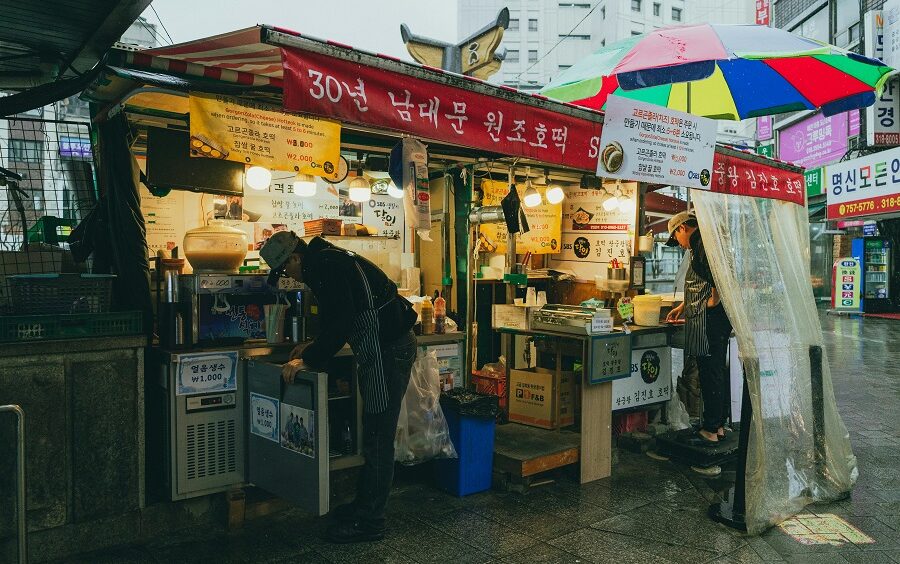
In today’s globalized world, food has become a bridge between cultures, offering people the chance to explore distant lands without leaving their hometowns. Among the many international cuisines making waves globally, Aria Korean Street Food cuisine stands out for its bold flavors, vibrant colors, and unique textures. Within this culinary realm, street food has become an essential component of Korea’s food culture, offering a casual, affordable, and authentic taste of local life. One establishment bringing this vibrant experience to the city is Aria Korean Street Food. This article delves deep into what makes Aria a culinary hotspot and explores the wider context of Aria Korean Street Food culture.
1. Introduction to Aria Korean Street Food
Aria Korean Street Food is a restaurant that has quickly garnered attention for its dedication to authentic Korean street flavors. Unlike conventional Korean restaurants, Aria focuses primarily on street food items, giving diners a true taste of everyday Aria Korean Street Food culinary life. The restaurant offers both classic favorites and cutting-edge innovations that appeal to both domestic and foreign patrons, fusing authenticity with a contemporary twist.
The restaurant has become a hub for food enthusiasts, students, families, and professionals seeking an affordable yet high-quality dining experience. From the moment customers step inside, they are greeted with the aroma of sizzling dishes, vibrant décor reminiscent of Seoul’s bustling streets, and a menu that promises adventure for the taste buds.
2. The Origins of Korean Street Food
To truly appreciate what Aria Korean Street Food offers, it is essential to understand the culture and history behind Aria Korean Street Food. Street food in Korea has been around for centuries, originally serving as convenient meals for working-class Koreans. These foods were inexpensive, portable, and flavorful, catering to busy markets, street corners, and festival grounds.
Some iconic street foods include:
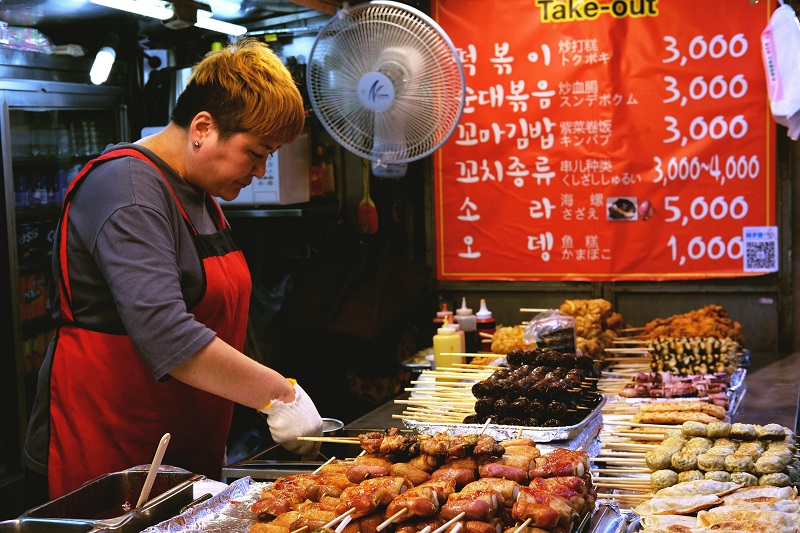
- Tteokbokki: Spicy rice cakes often cooked with fish cakes, cabbage, and a sweet-spicy gochujang (red chili paste) sauce.
- Gimbap: Korean rice rolls wrapped in seaweed, often filled with vegetables, meat, or seafood.
- Hotteok: Sweet pancakes stuffed with cinnamon, sugar, honey, or almonds.
- Odeng: Fish cake skewers served with hot broth, especially popular during winter.
- Korean fried chicken has gained international acclaim for its savory sauces and crispy skin.
Over the years, Aria Korean Street Food evolved from humble snack stalls into a celebrated culinary trend. With the rise of the Hallyu (Korean Wave), these flavors have spread internationally, inspiring restaurants like Aria to bring authentic street food experiences to new cities.
3. Aria’s Philosophy and Approach to Food
At the core of Aria Korean Street Food is a philosophy that values authenticity, freshness, and customer experience. The restaurant’s staff painstakingly recreates traditional Korean dishes while making sure they adhere to contemporary hygienic and flavor requirements.
👉 Authentic Recipes
Aria sources ingredients that mirror what is used in Korean street kitchens, including high-quality gochujang, sesame oil, and fresh vegetables. Recipes are crafted to balance traditional flavors with local preferences, maintaining authenticity without compromising taste.
👉 Fresh Ingredients
Unlike mass-produced meals, Aria prepares its dishes daily. Rice for Gimbap is cooked fresh, sauces are mixed in small batches, and fried items are made to order. This ensures that every bite reflects the textures and flavors one would find on the streets of Seoul.
👉 Affordable Dining
Aria is dedicated to bringing Korean street food within reach. Prices are reasonable, offering students and families the opportunity to experience authentic international cuisine without overspending. This affordability, combined with quality, sets Aria apart from other international food establishments.
4. Aria Korean Street Food’s Menu Highlights: Development and History
Aria Korean Street Food prides itself on offering classic dishes with rich histories. Each item is more than a meal—it’s a story, tracing back decades (or even centuries) of Korean culinary tradition.The dining experience is enhanced by knowing the history and development of these meals.
👉 Tteokbokki (Spicy Rice Cakes)
History:
The most famous Aria Korean Street Food dish is probably tteokbokki. Its origins date back to the Joseon Dynasty (1392–1897), where rice cakes (tteok) were served as ceremonial foods during festivals and royal events. Originally cooked with soy sauce, meat, and veggies, tteokbokki was not spicy.
Evolution:
In the mid-20th century, after gochujang (fermented red chili paste) became widely available, Tteokbokki transformed into the spicy, sweet version we know today. Street vendors across Korea began selling it as a quick snack, especially near schools and markets.
Aria’s version stays true to this classic while offering modern twists—like cheese Tteokbokki, seafood Tteokbokki, and extra-spicy challenges—catering to both traditionalists and adventurous eaters.
👉 Korean Fried Chicken
History:
Korean fried chicken, or “chikin,” has its roots in the 1960s and 1970s, with the building of American military bases after the Korean War fried chicken shops in South Korea.However, it wasn’t until the 1990s that fried chicken evolved into the distinct Korean style known today, characterized by extra-crispy skin and double-frying technique.
Evolution:
Originally seasoned simply with salt and pepper, modern Aria Korean Street Food fried chicken includes a wide variety of sauces: soy-garlic, sweet-spicy, honey butter, and more. The dish also became a social staple, often paired with beer (a combination called “chimaek”, short for chicken + maekju, meaning beer).
At Aria, fried chicken is prepared fresh and served in customizable flavors, reflecting the evolution from simple comfort food to an international favorite.
👉 Gimbap (Korean Rice Rolls)
History:
Gimbap, sometimes called Korean sushi, has its origins in the early 20th century, influenced by Japanese sushi introduced during the Japanese occupation of Korea (1910–1945). However, Aria Korean Street Food adapted it by using sesame oil, pickled vegetables, and beef or other meats instead of raw fish.
Evolution:
Gimbap evolved as a convenient snack for travelers, students, and workers—portable, easy to eat, and filling. Over time, regional variations emerged: some areas add kimchi, others use tuna or spicy fillings.
Aria offers both classic vegetable and beef Gimbap and modern variations, such as spicy tuna rolls, kimchi Gimbap, and cheese-infused options, catering to contemporary tastes while preserving traditional roots.
👉Hotteok (Sweet Pancakes)
History:
Hotteok is a beloved Korean dessert with origins traced to Chinese merchants who brought wheat-based pancakes to Korea in the late 19th century. Koreans adapted these pancakes by filling them with brown sugar, cinnamon, and nuts.
Evolution:
Originally a simple sweet snack sold in winter markets, Hotteok has evolved into multiple variations: some filled with honey, chocolate, or even savory ingredients like vegetables or kimchi.
At Aria, Hotteok retains the traditional sweet filling but also features seasonal specials with innovative ingredients like pumpkin, chocolate, or fruit, reflecting modern culinary creativity.
👉 Odeng (Fish Cake Skewers)
History:
Odeng is a traditional Korean fish cake skewer served in a warm broth, originally introduced during the Japanese colonial period. It became popular in Aria Korean Street Food markets due to its affordability, high protein content, and ability to provide a warm, comforting snack during winter.
Evolution:
Over time, vendors experimented with different broths—anchovy, kelp, and spicy versions—while adding skewered vegetables and tofu to diversify flavors.
At Aria, Odeng is served in the traditional hot broth with options for spicy or mild, giving diners a taste of Korea’s street markets while maintaining contemporary hygiene and presentation standards.
👉 Seasonal and Fusion Dishes
Additionally, Aria experiments with fusion street cuisine, which blends international and Korean ingredients. Among the examples are:
- Kimchi Quesadillas: Blending fermented Korean flavors with Mexican-style tortillas
- Cheese Tteokbokki Bowls: Catering to global comfort food trends
- Sweet Potato Fries with Gochujang Dip: Combining Korean spices with Western snacks
These innovations reflect how street food continues to evolve, meeting global tastes while staying rooted in Aria Korean Street Food tradition.

5. An Inside Look at Korean Street Food at Aria: Chef Views
While Aria Korean Street Food shines for its delicious menu and authentic flavors, much of its success comes from the dedication, skill, and passion of its chefs. Understanding the people behind the dishes adds another layer of appreciation for this culinary destination.
👉 Get to Know the Head Chef: Passion and Culinary Philosophy
The heart of Aria’s kitchen is Chef Min-Jae Kim, a culinary expert from Seoul with over 15 years of experience in both traditional Korean kitchens and modern international restaurants.
Chef Kim says:
“For me, cooking is storytelling.Every cuisine has a history, a culture, and an emotional connection. At Aria, I want to provide our custodians with a taste of Korea’s streets—not just the flavors, but the experience.”
Chef Kim emphasizes that authenticity is non-negotiable, but adaptation is key to success in a new city. He notes that despite maintaining the essence of Korean flavors, some ingredient selections and spice levels are somewhat modified to accommodate local palates.
👉 The Art of Tteokbokki Preparation
One of Aria’s signature dishes, Tteokbokki, is deceptively simple but requires precision to perfect. Chef Kim explains the process:
- Rice Cake Selection: Aria uses freshly made, chewy rice cakes imported directly from Korea to ensure the authentic texture.
- Sauce Mastery: The sauce made from gochujang needs to strike a balance between umami, spiciness, and sweetness. Chefs measure ingredients carefully and simmer the sauce to achieve the perfect consistency.
- Customization: Customers can choose spice levels or add cheese and seafood, which are added just before serving to maintain texture and freshness.
Chef Kim notes that while it takes 30 minutes to prepare the sauce and ingredients, the careful attention to detail ensures each plate delivers the authentic “street flavor” Aria Korean Street Food love.
👉 Crafting Korean Fried Chicken: Precision and Technique
Korean fried chicken is a cornerstone of Aria’s menu. Unlike standard fried chicken, it involves a double-frying technique that gives it the signature crispy exterior without drying out the meat.
Chef Kim shares:
“To get a crispy crust, we fry the chicken at a higher temperature after initially cooking it through at a lower temperature. The sauce is added immediately after frying to coat the chicken evenly without making it soggy.”
This technique is labor-intensive but essential to replicate the quality found on Seoul’s streets. Aria’s chefs also experiment with flavor infusions such as honey butter, garlic soy, and chili garlic to cater to modern tastes.
👉 Gimbap: A Labor of Love
Preparing Gimbap requires precision, balance, and creativity. Chef Kim explains that the rice must be seasoned with sesame oil and salt, and fillings sliced evenly for aesthetic appeal and taste balance.
Each Gimbap is meticulously rolled by hand by Aria’s kitchen crew behind the scenes to guarantee it is uniformly tight. Quality control is strict: any roll that is uneven or too loose is re-made to meet Aria’s standards.
Chef Kim adds:
“Gimbap is more than a roll—it represents balance in Aria Korean Street Food cuisine. Each bite should give a perfect harmony of rice, vegetables, and protein.”
👉 Hotteok and Odeng: Tradition Preserved
Hotteok and Odeng, though simpler than other menu items, require expert timing and attention:
- Hotteok must be fried to golden perfection, keeping the sugar filling gooey without burning the dough.
- Odeng broth is simmered for hours with anchovy and kelp stock to extract deep umami flavors. Skewers are added just before serving, keeping them hot and tender.
Chef Kim emphasizes that small details—from the thickness of the batter to the salt level in the broth—make a huge difference in customer satisfaction.
👉 Innovation in the Kitchen
While maintaining tradition is crucial, Aria also thrives on innovation. The chefs frequently brainstorm seasonal dishes or fusion items, such as:
- Combining the tastes of Mexican and Aria Korean Street Food cuisine in kimchi quesadillas
- Cheese Tteokbokki Bowls: Catering to international comfort food trends
- Gochujang Sweet Potato Fries: Introducing familiar Western snacks with Korean spice
Chef Kim explains:
“We want to surprise customers while honoring our heritage. Innovation is important, but it must enhance, not replace, authenticity.”
👉 Staff Training and Kitchen Culture
Behind the scenes, Aria fosters a strong team culture. Chefs are trained intensively in both Korean culinary techniques and local customer service standards. New recruits spend weeks mastering basic recipes before serving customers, ensuring consistency across every dish.
Chef Kim shares:
“The kitchen is a family. We learn from each other and constantly refine our craft. It’s hard work, but the joy comes when customers enjoy our food and feel like they are experiencing Korea.”
👉 Customer Interaction and Transparency
Aria encourages a transparent kitchen culture, where diners can see chefs in action. Open kitchens allow guests to watch Tteokbokki simmer, Gimbap being rolled, and chicken being fried to perfection. This not only builds trust but also creates a sense of immersion—customers feel part of the cooking process.

6. Cultural Significance of Korean Street Food
Aria Korean Street Food is not just about eating—it carries deep cultural, social, and historical significance. For decades, these foods have been woven into the fabric of Korean daily life, festivals, and social gatherings. By offering these dishes, Aria Korean Street Food allows diners to experience a piece of Korean culture alongside the flavors.
👉1 Street Food as a Social Connector
medium for social interaction. Markets, street corners, and festivals serve as gathering places where people from all walks of life share meals. A simple Tteokbokki or Gimbap snack can spark conversation and camaraderie among friends, families, and even strangers.
Chef Min-Jae Kim remarks:
“In Korea, street food is about connection. Sharing a dish is a way to share joy, celebrate, or simply take a break from a busy day.”
Aria replicates this social aspect by creating a welcoming, casual environment where customers can eat together, talk, and experience Korean culture collectively.
👉2 Festivals and Seasonal Foods
Many Aria Korean Street Food are linked to festivals and seasonal events:
- Hotteok is traditionally eaten in winter markets, providing warmth and comfort during cold months.
- Odeng and Tteokbokki are staples during school holidays and festival gatherings, offering quick, affordable nourishment for large crowds.
By serving these dishes, Aria not only satisfies taste buds but also provides a glimpse into Korea’s seasonal food traditions. Aria’s seasonal specials preserve the authenticity of the experience by reflecting its tradition.
👉3 Street Food as a Reflection of Korean Identity
Street food embodies Korean identity through its ingredients, flavors, and presentation:
- Use of Gochujang and Kimchi: Represents Korea’s love for bold, fermented flavors.
- Rice-based dishes: Highlights Korea’s agricultural heritage and staple diet.
- Portability and affordability: Reflects a history of practicality and accessibility in Korean society.
Aria brings this cultural identity to its diners, allowing people outside Korea to taste and appreciate the country’s culinary traditions.
7. Regional Variations of Street Food
Aria Korean Street Food is diverse, with distinct regional variations that reflect local ingredients, climate, and culinary history. Understanding these variations helps diners appreciate the depth of Aria’s menu.
👉 Seoul: The Heart of Spicy Street Snacks
Seoul, the capital, is famous for spicy street foods. Iconic dishes like Tteokbokki and Korean fried chicken are staples, often accompanied by pickled radish. In order to satisfy the urban desire for interesting, fast eats, street sellers emphasize strong flavors.
With dishes like fried chicken and traditional spicy rice cakes that reflect the capital’s signature flavors, Aria’s cuisine is strongly influenced by Seoul’s street food scene.
👉 Busan: Seafood and Coastal Influences
Busan, a port city, is renowned for its seafood-based street foods:
- Freshly caught fish is frequently used to make fish cake skewers, or odeng.
- Squid, shrimp, and octopus variations are common.
- Spicy seafood Tteokbokki reflects coastal influences.
Aria incorporates seafood versions of Tteokbokki and Gimbap to showcase the flavors inspired by Korea’s coastal regions.
👉 Jeonju: Rice and Tradition
Jeonju is celebrated for its bibimbap, but street food here also emphasizes rice-based snacks and traditional flavors. Chewy rice cakes, filled pancakes, and sweet snacks are prevalent.
Aria’s Hotteok and rice-based dishes draw inspiration from this region, maintaining traditional textures and fillings while introducing them to a global audience.
👉 Gwangju: Spicy and Bold Flavors
Gwangju is famous for its spicy cuisine and street food markets that favor chili-heavy dishes. Dishes here often include fermented vegetables and bold sauces, creating complex, punchy flavors.
At Aria, customers can choose extra-spicy Tteokbokki and kimchi-inspired Gimbap to experience Gwangju’s intense flavor profile.
👉 Modern Regional Fusion
While Aria primarily focuses on authentic traditional flavors, it also blends regional specialties to create a menu that represents the breadth of Aria Korean Street Food culture. This enables guests to experience Korea’s diversity in one location, from the seafood delicacies of Busan to the spicy urban nibbles of Seoul.
👉 Cultural Learning Through Regional Cuisine
By offering dishes inspired by different regions, Aria provides more than a meal—it’s an educational experience. Customers learn that Korean cuisine is not uniform; it’s a tapestry of regional flavors influenced by geography, climate, and history.
Diners can taste, compare, and appreciate the subtle differences, making each visit a cultural as well as culinary journey.

👉 Customer Reviews and Feedback
The popularity of Aria Korean Street Food is evident in customer feedback. Patrons consistently praise:
- The authenticity of the flavors
- Affordable pricing
- Friendly staff and fast service
- A fun and culturally immersive atmosphere
Regulars often highlight that Aria captures the essence of Seoul’s street food markets, providing an experience that goes beyond mere eating.
8. Customer Stories and Testimonials at Aria Korean Street Food
While Aria Korean Street Food has earned praise for its authentic menu and immersive ambiance, the true measure of its success comes from the experiences of its customers. Diners consistently share stories that highlight the restaurant’s ability to transport them to the streets of Korea.
👉 Experiencing Korea Without Leaving the City
Sarah Ahmed, a university student and avid foodie, shares:
“I’ve always wanted to visit Korea, but traveling wasn’t an option. Aria made me feel like I was walking through the streets of Seoul.The Tteokbokki was sweet, spicy, and just the right amount of chewy.. I even tried Odeng for the first time, and it was amazing!”
Many students and young professionals appreciate the affordability and authenticity of Aria’s menu, noting that it offers a quick escape into Korean culture during busy days.
👉 Family-Friendly Dining Experiences
For families, Aria offers a welcoming environment that suits all ages. Mr. and Mrs. Rahman, parents of two young children, recount:
“Our kids loved watching the chefs roll Gimbap and fry the chicken.The staff was very welcoming and gave us an explanation of each item. The whole family had fun and learned a lot.This testimonial highlights Aria’s success in creating an immersive, family-friendly environment while keeping food quality high.
👉 Culinary Enthusiasts and Adventurous Eaters
Some customers come specifically to explore flavors they’ve never tried before. Amina Chowdhury, a food blogger, notes:
“I’ve tried Aria Korean Street Food in other cities, but Aria felt authentic. The seafood Tteokbokki captured the coastal flavors of Busan perfectly, and the spicy Gimbap was a revelation. Watching the chefs prepare the dishes added to the experience.”
Aria’s emphasis on transparency in the kitchen—allowing customers to see food preparation—resonates with food enthusiasts who value both quality and experience.
👉Repeat Visitors and Community Building
Several loyal customers mention how Aria has become a regular destination for social gatherings:
Rafiq Hossain, a regular visitor, shares:
“We come here every month with friends. Each visit feels like discovering something new—seasonal dishes, fusion items, or just the consistent quality of fried chicken. Aria has become part of our routine.”
Through repeated visits, customers develop a sense of community, reflecting the social significance of street food in Korean culture.
👉 Testimonials on Ambiance and Cultural Experience
Many customers emphasize the ambiance and cultural immersion as part of their dining experience:
Fatima Noor, an international student, remarks:
“The restaurant doesn’t just serve food—it tells a story. The décor, the music, the open kitchen, and the attention to detail make you feel like you’re on the streets of Korea. It’s authentic, fun, and educational.”
These testimonials reinforce Aria’s goal of delivering more than just a meal, creating memories, cultural appreciation, and joyful experiences.
👉Social Media and Community Engagement
Aria has also garnered attention online. Customers frequently post photos of dishes, share dining experiences, and recommend Aria to friends. Social media feedback often highlights:
- Presentation and visual appeal of dishes
- Authentic flavor profiles
- Friendly staff and welcoming environment
- Seasonal and innovative menu items
This digital presence amplifies Aria’s reach and reinforces its position as a cultural and culinary hub for Aria Korean Street Food enthusiasts.
👉 Lessons from Customer Feedback
Chef Min-Jae Kim shares:
“Listening to our customers is key. Feedback helps us improve dishes, adjust spice levels, and even introduce new menu items. It’s a dialogue—street food has always been about community, and we try to keep that spirit alive.”
The blend of positive experiences, constructive feedback, and cultural curiosity creates a dynamic, evolving dining environment that keeps Aria relevant and exciting.
9. Nutrition, Preparation Techniques, and Cooking Tips at Aria Korean Street Food
Aria Korean Street Food is beloved for its bold flavors and comforting textures, but many customers also wonder about the nutritional content and how these dishes are prepared. Every dish at Aria Korean Street Food is tasty, fresh, and filling since both health and technique are prioritized.
👉Nutritional Overview
Aria Korean Street Food are diverse, and their nutritional profiles vary by dish:
- Tteokbokki: Made primarily from rice cakes, gochujang sauce, and vegetables, Tteokbokki is high in carbohydrates and provides energy for the body. Adding fish cakes or lean protein can increase its protein content. Moderation is key for those monitoring sugar and spice intake.
- Korean Fried Chicken: While indulgent, it provides protein and iron. Opting for smaller portions or sharing plates helps manage calorie intake. Grilled or lightly fried versions are sometimes available for health-conscious diners.
- Gimbap: Usually made with rice, seaweed-wrapped protein, and veggies. It is a balanced meal, offering carbohydrates, fiber, vitamins, and protein, making it ideal for a quick, nutritious snack.
- Hotteok: High in sugar and carbohydrates, Hotteok is a delicious treat best enjoyed in moderation. It also provides quick energy and warmth in colder months.
- Odeng (Fish Cake Skewers): Rich in protein and low in fat, Odeng is often served with a light broth, making it a relatively healthy street snack option.
The chefs at Aria place a strong emphasis on using high-quality, fresh ingredients to preserve flavor and optimize nutritional value. Vegetables are always fresh, proteins are sourced responsibly, and sauces are made in-house without artificial preservatives.
👉 Preparation Techniques: Secrets of Authentic Street Food
Global Street Food Trends and Comparisons table:
| Section | Details / Insights |
| The Rise of Street Food Globally | Street food has grown beyond inexpensive, convenient meals.Urbanization and fast-paced lives are driving global trends, as is social media’s display of aesthetically pleasing food.Fusion cuisine and flavor globalizationA greater desire for genuine cultural eating experiencesFestivals of street cuisine, pop-ups, and food trucks are elevating it from casual snacks to culinary experiences. |
| Comparing Aria Korean Street Food to Other Countries | 1. Japan vs. Korea: Japanese street food with unique textures and advanced cooking techniques (Okonomiyaki, Takoyaki)Korean street cuisine is tasty, spicy, and social.Aria: Odeng, spicy Tteokbokki, and fried chicken imitate communal feasting2. Korea versus Thailand: Thai street cuisine includes curries, sweet-sour-spicy dishes, and aromatic herbs.Aria Korean Street Food cuisine places a strong emphasis on umami, depth, and fermented condiments like gochujang and kimchi.Aria: genuine spice customs and fermented flavors. Korea vs. Mexico:– Mexican: fresh ingredients, salsas, handheld portability (tacos, quesadillas)- Korean: portable but emphasizes textures (chewy, crispy) and layered sauces- Aria: fusion dishes like Kimchi Quesadillas blend flavors4. Korea vs. India:– Indian: spices, vegetarian options, regional diversity (chaat, samosas, dosas)- Korean: fermented/pickled ingredients, bold, vibrant flavors- Aria: demonstrates spice + fermentation balance |
| Global Trends Reflected in Aria’s Menu | – Fusion & Innovation: Seasonal fusion dishes (e.g., Kimchi Quesadillas) cater to global tastes- Visual Appeal: Instagram-worthy presentations (Tteokbokki, Gimbap)- Health-Conscious Options: Brown rice Gimbap, grilled chicken, lighter broth- Cultural Storytelling: Regional variations, chef insights, cultural immersionAria preserves Korean street food culture while innovating to meet global culinary expectations. |
| The Future of Street Food | Street food trends are moving toward:- Quality Ingredients: Fresh, ethically sourced- Cultural Authenticity: Genuine flavors and storytelling- Sustainability: Eco-friendly packaging, waste reduction- Technology Integration: Online ordering, delivery apps, virtual experiencesAria aligns with these trends via high-quality ingredients, authentic recipes, seasonal specials, and potential delivery/pop-up expansions. |
| Aria’s Place in the Global Street Food Landscape | – Unique, bold flavor profile rooted in fermentation, spice, texture- Immersive cultural experience unlike many fast-food street options globally- Fusion innovation while maintaining authenticity- Balance of taste, nutrition, and social experienceAria functions as a cultural ambassador and culinary innovator, showcasing Aria Korean Street Food internationally while staying true to its roots. |
Conclusion
Aria Korean Street Food is more than just a restaurant—it’s an experience that combines the rich, vibrant flavors of Korea with a welcoming, casual environment. By focusing on authenticity, quality, affordability, and cultural immersion, Aria has successfully brought the essence of Aria Korean Street Food to the city. Whether you are a fan of spicy Tteokbokki, crispy fried chicken, or sweet Hotteok, Aria promises a journey for your taste buds that is both exciting and memorable.
In an era where global cuisine is more accessible than ever, Aria Korean Street Food stands as a shining example of how traditional flavors can be adapted to new markets while retaining authenticity. Aria is a culinary destination worth visiting for anybody looking to experience authentic Korean cuisine without venturing outside of the city.
FAQs:
1. What is Aria Korean Street Food?
Aria Korean Street Food is a place where you can enjoy authentic Korean street-style snacks and meals.
2. Where can I find Aria Korean Street Food in the USA?
Aria Korean Street Food has locations in several major US cities, often in food courts or street food markets.
3. What types of food does Aria Korean Street Food serve?
They serve tteokbokki, hotteok, kimbap, Korean fried chicken, and other traditional Korean street dishes.
4. Are the dishes spicy at Aria Korean Street Food?
Many dishes are spicy, like tteokbokki, but they usually provide milder options for sensitive palate
5. How much does it cost to eat at Aria Korean Street Food?
Prices are moderate, usually ranging from $5 to $15 per dish, depending on portion size.
6. Is Aria Korean Street Food authentic?
Yes, they follow traditional Korean recipes and street food styles to give an authentic experience
7. Is Aria Korean Street Food kid-friendly?
Yes, they offer dishes suitable for kids, and most locations are family-friendly.
8. Will Aria Korean Street Food answer questions about their menu?
Absolutely. Their staff and online platforms provide clear information to help with all menu queries.